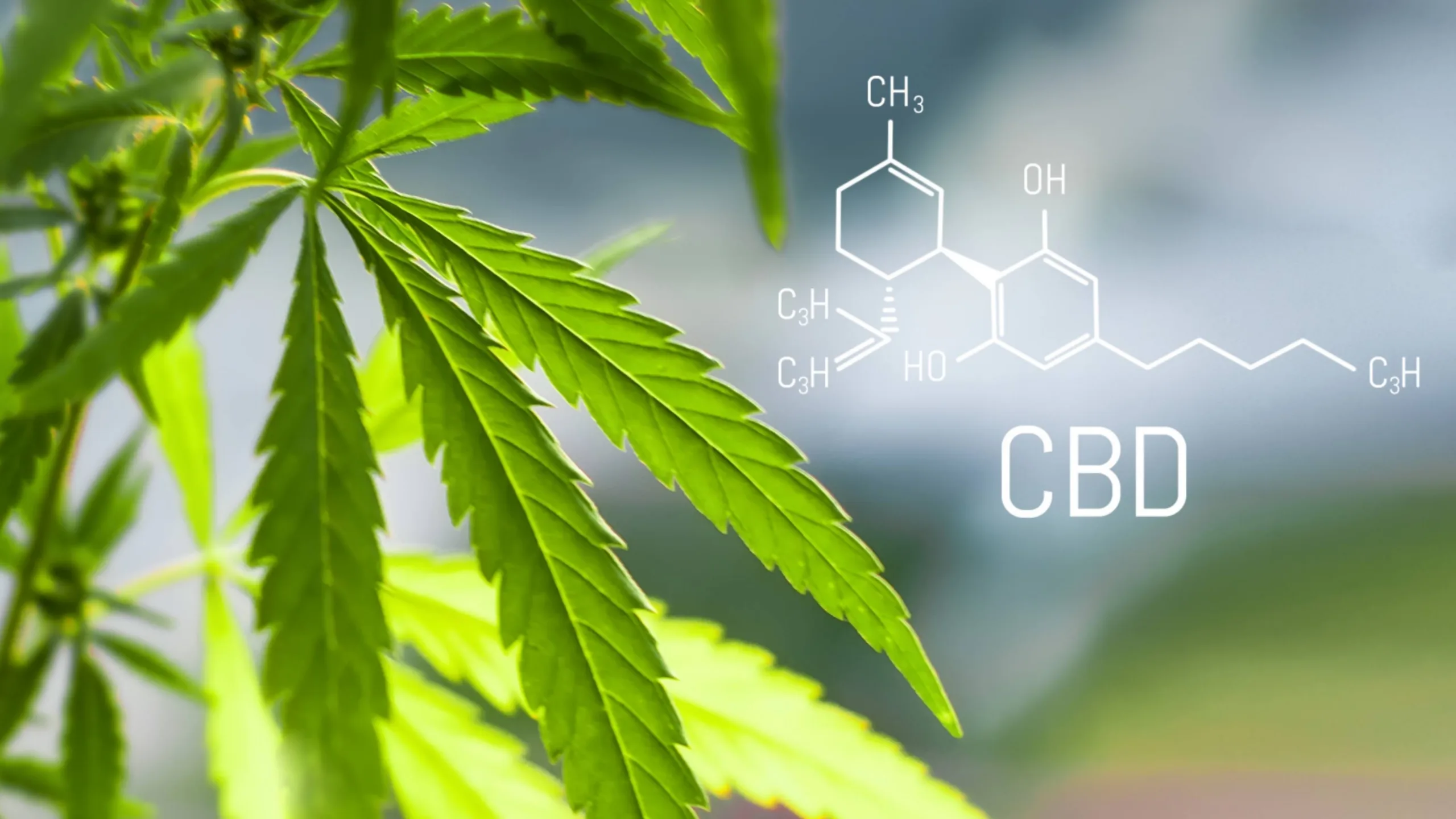
Cannabidiol (CBD) may protect brain cells from oxidative damage associated with Parkinson’s disease by preserving a key cellular defense system and maintaining mitochondrial health, according to a newly accepted study.
The study, conducted by researchers at Western University in Canada, was accepted August 6 for publication in Free Radical Biology and Medicine. Researchers examined CBD’s effects in human SH-SY5Y neuroblastoma cells exposed to toxins commonly used to model Parkinson’s-related neuronal damage.
Researchers focused primarily on 6-hydroxydopamine (6-OHDA), which produces oxidative stress and mitochondrial dysfunction similar to processes involved in the degeneration of dopamine-producing neurons.
Cells were pretreated for 24 hours with 5 micromolar CBD before exposure to 6-OHDA. CBD significantly protected the cells, with viability reaching 83.79% of control levels compared with 67.82% following 6-OHDA exposure alone. CBD also provided protection against two other Parkinson’s-associated toxins, rotenone and MPP+.
In a separate metabolic viability test, 6-OHDA reduced cell activity to 46.59% of controls, while CBD pretreatment restored it to 79.84%. Researchers found that CBD’s protective effect was substantially reduced or eliminated when the activity of nuclear factor erythroid 2-related factor 2 (Nrf2), a protein that regulates the cellular antioxidant response, was inhibited.
The protective effect was also observed in differentiated SH-SY5Y cells designed to more closely resemble mature neurons. In those cells, 6-OHDA reduced viability to 17.46% of controls, while CBD pretreatment increased viability to 41.39%.
Researchers found that CBD prevented Nrf2 from becoming trapped in insoluble cytoplasmic aggregates during severe oxidative stress. Instead, CBD helped maintain Nrf2 in a soluble, functional form capable of entering the nucleus and activating antioxidant defenses. The treatment also increased expression of antioxidant enzymes including HMOX1 and NQO1.
CBD also substantially reduced reactive oxygen species and protected mitochondria from fragmentation. Researchers found that it restored abnormal mitophagy — the process by which cells remove damaged mitochondria — toward normal levels, suggesting that CBD reduced the amount of mitochondrial damage requiring cellular cleanup.
“To sum up, this study supports a model in which CBD concurrently enhances Nrf2 Ser40 phosphorylation, prevents stress-induced aggregation, restores nuclear translocation, directs HMOX1/NQO1 expression, reduces global ROS burden, preserves mitochondrial architecture, and normalizes mitophagic flux,” the researchers said.