A new study examining hundreds of recreational marijuana products sold across Colorado found that just 14.4% contained all of the labeling elements required under state regulations, with flower products substantially less likely to be fully compliant than concentrates.
The study, accepted this month for publication in the Journal of Cannabis Research, was conducted by researchers affiliated with the University of Colorado Boulder, the University of Colorado Anschutz Medical Campus and MedPharm Holdings. Researchers examined 480 recreational marijuana products purchased from 52 dispensaries across 19 Colorado counties, including 277 flower products and 203 concentrates.
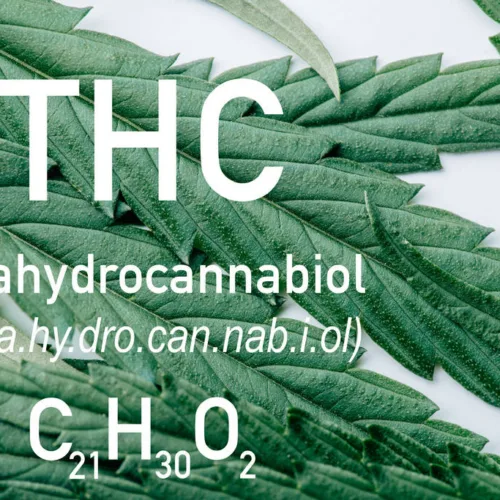
Researchers evaluated whether labels included six required components: Colorado’s universal marijuana symbol, a driving warning, a pregnancy warning, an expiration or best-by date, ideal storage conditions and THC potency information.
The universal symbol was the only component to meet the researchers’ expected compliance threshold, appearing on 99.2% of products. Driving warnings and pregnancy warnings were each present on 97.5% of products, while expiration or best-by dates appeared on 51.2% and ideal storage conditions on just 16.9%. THC potency information was present on 99% of products.
When all six requirements were considered together, only 69 of the 480 products, or 14.4%, passed.
The disparity between flower and concentrates was particularly large. Just six of 277 flower products, or 2.2%, contained all required labeling components, compared with 63 of 203 concentrates, or 31%. Concentrates were also significantly more likely to include expiration dates and recommended storage conditions.
Researchers also identified substantial variation in how THC potency was described. Concentrates were more likely to use the term “Total THC,” while flower products more frequently used “THC” or a combination of “Total THC” and “THC.” Five flower products contained no THC potency information at all.
The authors said the labeling deficiencies were driven largely by missing or inaccurate expiration dates and the absence of recommended storage conditions. They noted that factors including light, temperature and moisture can affect marijuana potency and product quality over time.
The study cautions that the findings should not necessarily be generalized to every product sold in Colorado or to other legal marijuana markets. The analysis also did not include medical marijuana products or other product types such as edibles.
“Based on this sample, these findings indicate that the majority of cannabis flower and concentrate products in Colorado are not compliant with state warning label requirements,” researchers concluded, adding that greater standardization could improve consumer understanding, safety and trust.