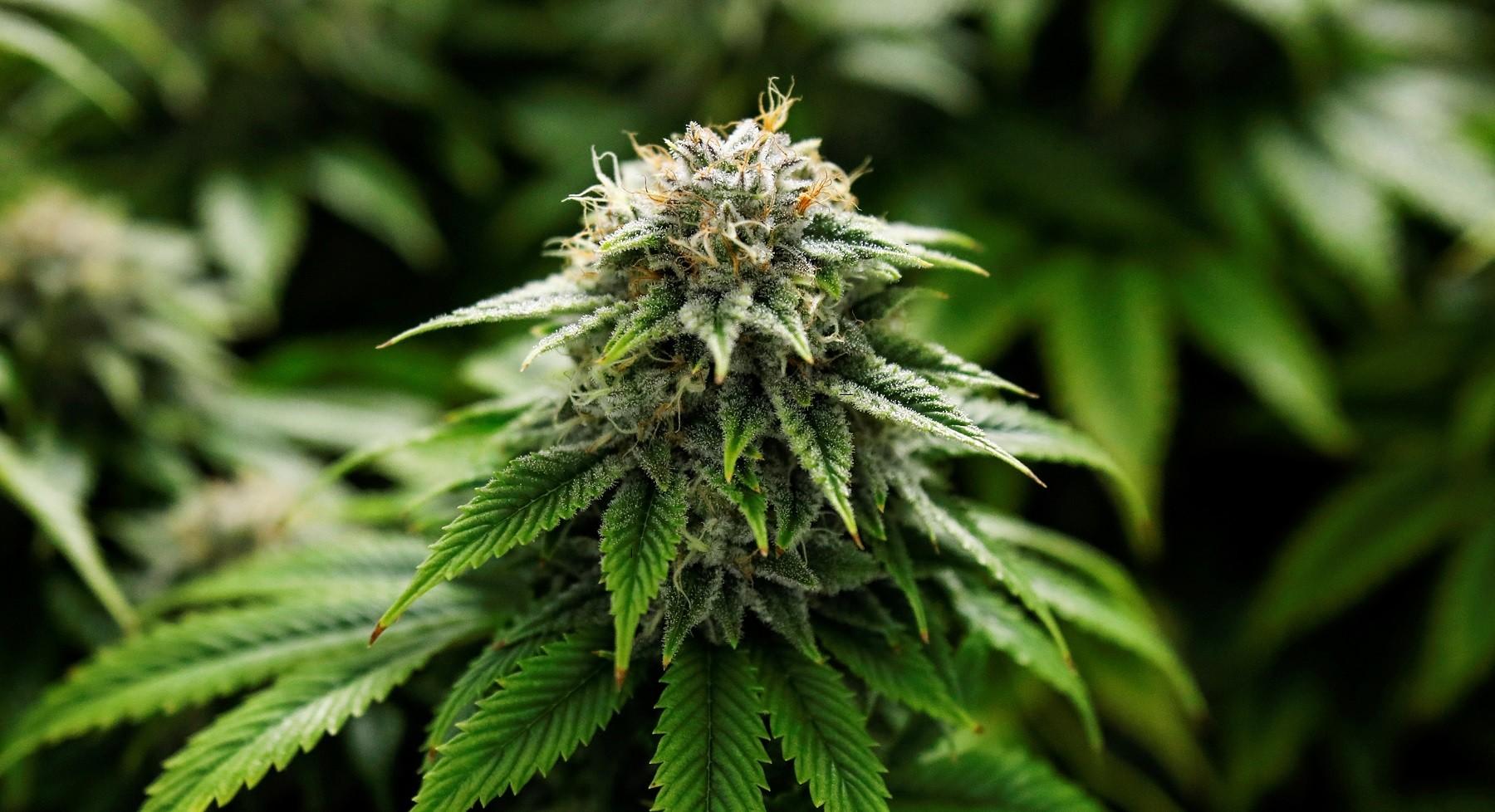
A new study has identified 227 terpenes in cannabis and mapped the genes that help determine why different cultivars develop their own distinct aromas and terpene profiles.
The study, published in Acta Pharmaceutica Sinica B, combined genetic sequencing, terpene measurements, gene-expression analysis and laboratory testing of individual enzymes. Researchers say the work provides the most comprehensive functional map to date of the terpene synthase system in Cannabis sativa.
Terpenes are aromatic compounds responsible for much of the characteristic smell of marijuana, ranging from citrus and pine to floral, spicy and earthy aromas. They are also of scientific interest because researchers have proposed that some may influence the effects of cannabinoids, although the extent and clinical significance of such interactions remain under investigation.
Researchers analyzed 28 samples covering different tissues, stages of development and six cannabis cultivars. They detected 227 volatile cannabis terpenes, including 88 monoterpenes and 139 sesquiterpenes.
The distribution of those compounds varied substantially depending on where and when researchers sampled the plant. Flowers and bracts were the major terpene-producing hotspots, while roots and mature seeds contained almost none. In the Dinamed Kush cultivar, researchers detected just one volatile terpene in roots and three in mature seeds. Terpene profiles also changed as plants progressed from early to later stages of flowering.
Differences between cultivars were just as pronounced. Although the six varieties produced roughly similar numbers of volatile terpenes overall, the particular mixtures differed enough to create recognizable chemical fingerprints.
Across the cultivars, the five most prevalent terpenes were beta-myrcene, trans-beta-ocimene, terpinolene, (-)-beta-pinene and alpha-pinene. Certain cultivars were distinguished by especially high concentrations of particular compounds: Red Pure was associated with elevated beta-myrcene and terpinene, George Gloria with guaiol and camphene, and Dinamed Kush with caryophyllene and humulene.
Researchers found 33 core volatile terpenes present in all six cultivars, while 60 were detected only in individual cultivars, highlighting both a common cannabis terpene foundation and substantial cultivar-specific diversity.
One particularly clear example involved trans-beta-ocimene. The compound was prominent in several cultivars but occurred at very low levels in Painkiller. Researchers traced that difference to a terpene synthase gene whose expression was about 20 times lower in Painkiller than in the other five cultivars, providing a direct connection between gene activity and the resulting terpene profile.
The genetic analysis also revealed considerably more complexity than simply having one gene for each terpene.
Researchers initially identified 56 potential terpene synthase genes in the two separately resolved copies, or haplotypes, of the Dinamed Kush genome. After excluding incomplete or truncated sequences, they identified 41 high-confidence full-length terpene synthase genes. Those included 18 in the TPS-b family, which is primarily associated with monoterpene production, and 14 in the TPS-a family, which includes many sesquiterpene synthases.
Many of these genes appeared in clusters created through gene duplication. One region alone contained a cluster of 12 TPS-b2 genes within about 480,000 DNA base pairs. Researchers found substantial differences in gene number and arrangement between the two copies of the cannabis genome, suggesting that the particular genetic variants inherited by a plant can help determine its terpene-producing capabilities.
That distinction was particularly apparent in one gene, CsTPS3DK. Although it closely resembled a previously identified functional terpene synthase and was expressed at relatively high levels in cannabis flowers, researchers found that one version lacked a critical molecular motif needed for enzyme function. As a result, the gene was effectively inactive. The researchers say the finding illustrates why simply determining whether a terpene-related gene is present or expressed may not be enough to predict what compounds a plant actually produces.
Gene-expression analysis further identified 15 terpene synthase genes that were consistently active in flowers and bracts across cultivars, suggesting cannabis possesses a conserved core program for producing floral terpenes. Other genes differed dramatically between cultivars, including examples with more than 100-fold differences in expression.
The researchers also found evidence that terpene and cannabinoid production are closely connected at the metabolic level. A network analysis identified 3,496 genes highly correlated with at least one terpene, including 18 terpene synthase genes, seven upstream terpene-related genes, 159 transcription factors and 11 cannabinoid-pathway genes.
Cannabinoids and monoterpenes share part of the same biochemical machinery, including the precursor geranyl pyrophosphate, or GPP. Researchers observed coordinated activity of terpene and cannabinoid pathway genes in flowers, bracts and glandular trichomes, the resin-producing structures where many of these compounds accumulate.
To determine what individual terpene synthase genes actually do, researchers functionally tested six previously uncharacterized enzymes using engineered E. coli supplied with terpene precursors.
The experiments revealed unexpectedly flexible enzymes capable of producing multiple compounds and, in some cases, using more than one type of precursor.
For example, CsTPS19DK produced primarily limonene and beta-myrcene when supplied with GPP, but produced the sesquiterpene aromadendrene as its main product when supplied with FPP. CsTPS23DK primarily produced beta-ocimene from GPP but also generated alpha-farnesene and maaliene when given FPP. CsTPS26DK produced primarily beta-elemene from FPP, while CsTPS37DK generated nerolidol and farnesol.
The researchers concluded that this flexibility helps explain how cannabis can generate an exceptionally diverse array of terpenes without requiring a separate enzyme for every compound. Their analysis indicated that cannabis terpene synthases can access at least 12 different structural classes of sesquiterpenes.
The evolutionary analysis offered another clue. Cannabis and hops, which belong to the same plant family, possess significantly expanded terpene synthase families compared with mulberry, a related plant. Researchers identified about 41 full-length genes in cannabis and 49 in hops, compared with only 12 in mulberry. Cannabis also possessed 18 TPS-b genes, compared with nine in tomato and six in Arabidopsis.
Researchers say repeated gene duplication followed by changes in how those genes are regulated and what reactions their enzymes can perform appears to have been a major force behind cannabis’s unusually rich terpene diversity.
Importantly, the researchers found that gene expression did not perfectly predict terpene concentrations. Most of the compounds produced by the tested enzymes were also detected in actual cannabis samples, but the amount and distribution of those compounds did not always match the expression of their corresponding genes.
That suggests terpene profiles are shaped by several interacting factors, including how much precursor material is available, enzymes capable of producing multiple products, overlapping functions among different enzymes and subsequent chemical modification of terpenes after they are produced.
The findings could eventually be useful for breeders seeking cultivars with particular aroma profiles or researchers attempting to manipulate terpene production. The authors say better functional maps of terpene genes could support marker-assisted breeding and metabolic engineering designed to increase, decrease or otherwise alter specific volatile compounds. They also said the work could help investigate proposed terpene-cannabinoid interactions and potential entourage effects.
There are limitations. The newly characterized enzymes were tested primarily in engineered microbial cells rather than cannabis plants, researchers did not determine detailed enzyme kinetics or test every possible precursor, and only a portion of previously uncharacterized terpene synthases could be functionally tested. The authors also note that competition and coordination between the cannabinoid and terpene pathways, particularly under environmental stress, remain poorly understood.
Researchers conclude that the combination of genetics, gene expression, enzyme function and terpene measurements provides a framework for understanding how cannabis produces its enormous variety of aromas and volatile compounds, while potentially allowing breeders to more precisely design future cultivars for specific chemical traits.



Related posts:

Study Finds 72% of Veterinarians in Portugal Have Prescribed or Recommended Cannabinoid Products for...

Study Finds Recreational Marijuana Sales in Ohio Linked to Lower Property Crime, No Increase in Viol...