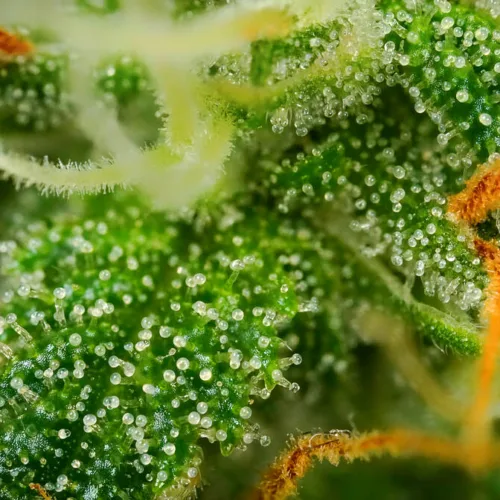
The Massachusetts Cannabis Control Commission has completed an audit of THC potency labeling on marijuana flower products, finding that most of the samples tested fell within the state’s acceptable accuracy range, although about one in five were found to be noncompliant.
The commission began its shelf audit of marijuana flower products in May as part of its efforts to ensure accurate labeling for consumers and medical marijuana patients. Higher-THC flower products generally sell for higher prices in the recreational market, while medical patients may use potency information to determine dosing.
“The Commission has a responsibility as a regulatory and consumer protection agency to ensure product labels are accurate,” Chair Chris Harding said. “This is also a matter of health and safety for medical marijuana patients who rely on potency for accurate dosing. This audit represents a step forward in our efforts to enhance our oversight to maintain trust in the adult-use and medical marijuana markets.”
Commission regulations require marijuana flower products to include labels detailing cannabinoid content and potency. The state’s 10 Independent Testing Laboratories are responsible for evaluating THC content as part of mandatory product testing.
Because of natural variation between marijuana plants and factors such as shelf stability, the commission considers a potency result accurate if it falls between 75% and 125% of the amount listed on the label. A product labeled at 15% THC, for example, would have an acceptable range of 11.25% to 18.75%.
For the audit, regulators selected 63 marijuana flower products from 62 producers from the shelves of recreational stores and medical dispensaries and had the products tested to verify their potency.
Products were classified as “green” if they showed high accuracy, “yellow” if they were near the edge of the acceptable range and “red” if they fell outside the range.
Thirteen samples received red ratings and will require follow-up action from producers. Seven products tested within 2% of the THC potency listed on their labels.
The commission began notifying producers of the results Thursday, with additional notices expected to be issued on a rolling basis. Regulators have also placed holds on the noncompliant products to prevent further sales.
Producers of the affected products must either recall and repurpose them with new testing, recall and relabel them using the audit result, retest them or destroy them.
“This shelf audit represents the continuing work of our internal testing task force, which we created to focus on testing issues as part of our mission to oversee a safe, equitable cannabis marketplace in Massachusetts,” Executive Director Travis Ahern said. “The audit will also help us calibrate future audits as we move toward random testing for contaminants of concern, including pesticides, heavy metals, yeast and mold, and bacteria.”
The commission is also scheduled to hold a public hearing August 25 to gather feedback on marijuana testing regulations ahead of a regulatory update planned for the fall.
Other recent testing-related actions include publishing total THC test results through the state’s Open Data platform, requiring laboratories to upload digital Certificates of Analysis following product tests and creating a public portal for health and safety advisories.
The commission is also working to implement Chapter 65 of the Acts of 2026, which requires the creation of an online portal for reporting alleged noncompliance.