Below is The Marijuana Herald’s Daily Cannabis News Brief for September 2, 2026. The Marijuana Herald publishes a new edition every weekday at around 3 p.m. Pacific Time. You can find previous editions by clicking here.
Marijuana Use Associated With Better Attention and Inhibitory Control in People With Bipolar Disorder, Study Finds
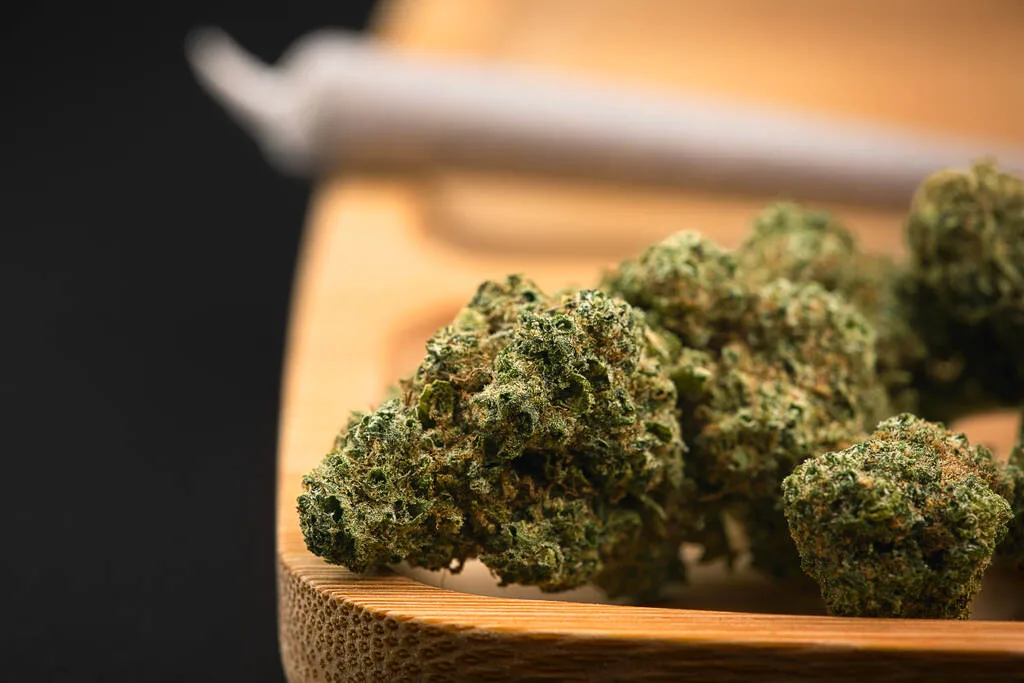
Marijuana use was associated with better sustained attention and inhibitory control among people with bipolar disorder in a study published in Neuropsychopharmacology. Participants with bipolar disorder who used marijuana performed comparably to healthy nonusers on several cognitive measures, while bipolar participants who did not use marijuana showed poorer performance.
Florida Congressmembers Demand Federal Investigation Into $10 Million Diversion Tied to Anti-Marijuana Campaign

Florida U.S. Reps. Kathy Castor and Darren Soto are urging federal health officials to investigate $10 million in allegedly misappropriated Medicaid settlement funds. A state grand jury found the money was improperly diverted through organizations connected to Hope Florida, with $8.5 million ultimately transferred to a political committee that opposed marijuana legalization in 2024.
Cresco Labs Completes $50 Million Acquisition of Nine Pennsylvania Medical Marijuana Dispensaries

Cresco Labs has completed its $50 million acquisition of nine operational Pennsylvania medical marijuana dispensaries, giving the company full ownership after supporting the locations under a management agreement since April. Cresco says the deal makes it Pennsylvania’s largest medical marijuana retailer, while the company also describes itself as the state’s largest marijuana wholesaler.
Review Finds Marijuana and Cannabinoids May Improve Overactive Bladder and Other Urinary Symptoms
A review published in the Canadian Urological Association Journal found marijuana and cannabinoid-based treatments may help reduce urinary urgency, frequency and incontinence. Researchers reviewed 12 studies involving conditions including overactive bladder linked to neurological disorders, benign prostatic hyperplasia and cystitis, finding generally encouraging evidence, particularly among people with multiple sclerosis.
Every Marijuana and Hemp Bill Alive in the U.S. Congress, Ranked by Number of Sponsors
Thirty-one standalone marijuana, hemp and cannabinoid-focused bills remain pending in the 119th Congress as of September 2. The MORE Act leads with 75 sponsors, followed by the Hemp Planting Predictability Act with 44. Other proposals address marijuana banking, federal legalization, taxation, housing protections, hemp regulation and access to capital markets.
San Diego County Approves Social Equity Marijuana Program
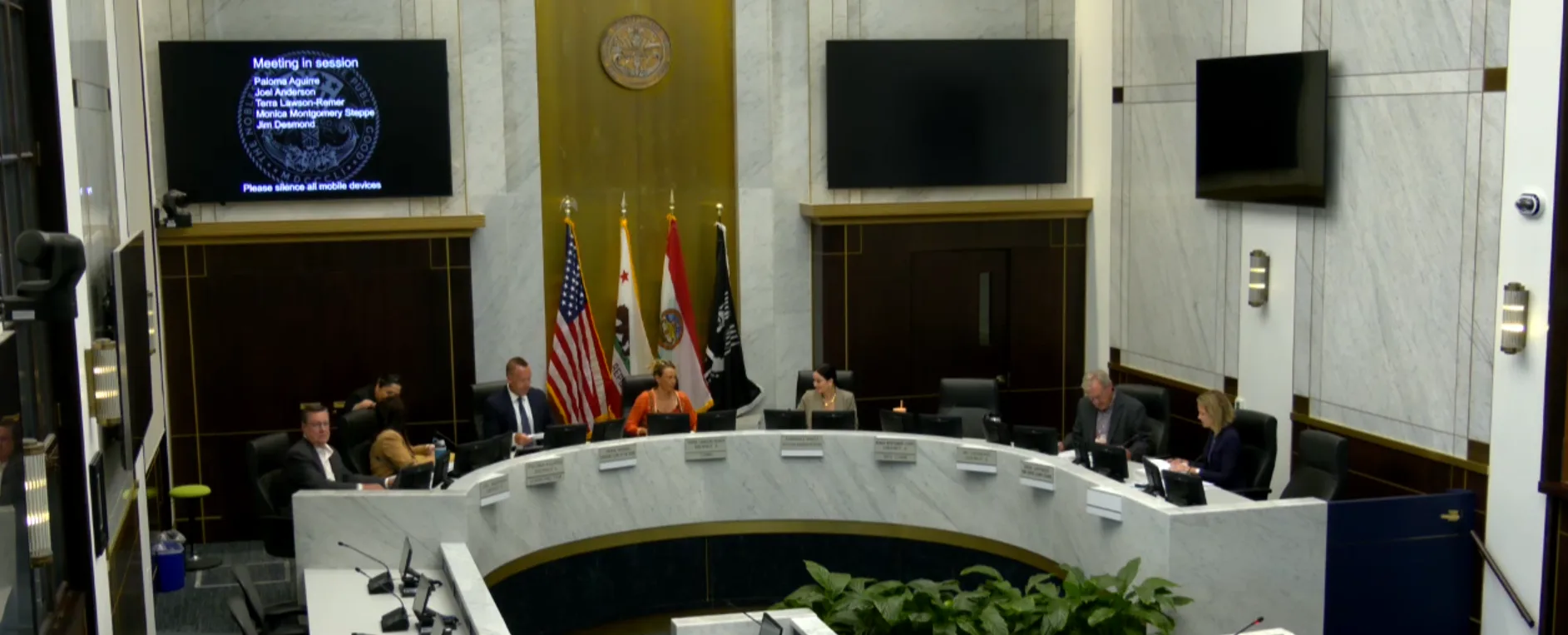
The San Diego County Board of Supervisors voted 3 to 2 to approve a Socially Equitable Cannabis Program for unincorporated areas. The framework allows up to 25 storefront marijuana retailers, with at least half reserved for social equity applicants, who will also receive a three-year head start before licenses become available to the broader applicant pool.
Connecticut Marijuana Tax System Changes October 1, Replacing THC-Based Taxes With Flat 10.75% Rate

Connecticut will replace its THC-based recreational marijuana tax system with a flat 10.75% tax on retail sales beginning October 1. The new tax will replace separate potency-based rates for flower, edibles and other products, while the state’s 6.35% sales tax and 3% municipal marijuana tax will remain, bringing the combined tax rate to 20.1%.
Aurora Cannabis Board Votes Unanimously to Recommend Shareholders Reject Curaleaf Hostile Takeover Bid

Aurora Cannabis’ board has unanimously recommended that shareholders reject Curaleaf Holdings’ unsolicited takeover bid by taking no action and not tendering their shares. Aurora argues the proposal significantly undervalues the company and exposes shareholders to financial and governance risks, pointing to its debt-free balance sheet while highlighting Curaleaf’s more than $1 billion in debt and other obligations.
Curaleaf Responds After Aurora Board Unanimously Recommends Shareholders Reject Takeover Bid

Curaleaf has responded to Aurora Cannabis’ rejection of its takeover bid, maintaining that its proposal offers Aurora shareholders the strongest path forward. Curaleaf highlighted the offer’s 45% premium, criticized Aurora’s past shareholder dilution and financial outlook, and said it remains ready to engage with Aurora’s board regarding the proposed transaction.
Study Finds CBD Delays Seizure Onset and Reduces Seizure Duration in Animal Model of Rare Childhood Brain Disease

CBD significantly delayed seizure onset and reduced seizure duration in an animal model of CLN2 disease, a rare and fatal childhood neurodegenerative disorder. CBD-treated animals experienced their first seizure at a median age of 129 days compared with 113 days for controls, while treated animals also lived a median 15 days longer.
U.S. Congress: Lawful Hemp Protection Act Gains Two New Bipartisan Cosponsors
The Lawful Hemp Protection Act has gained two additional House cosponsors, bringing its support to eight lawmakers split evenly between Republicans and Democrats. H.R. 9830 would replace broad upcoming hemp restrictions with a federal regulatory framework, establish a 1% total THC dry-weight limit and impose age, packaging, labeling and marketing requirements.
Federal Appeals Court Revives Challenge to Georgia’s Medical Marijuana Licensing Process

A federal appeals court revived constitutional claims challenging Georgia’s medical marijuana licensing process, ruling that a lower court improperly dismissed the case because marijuana remains federally prohibited. The lawsuit alleges problems involving fairness, transparency and residency requirements. The Due Process, Equal Protection and Commerce Clause claims will return to federal district court for further proceedings.
Study Finds Saliva THC Tests Can Miss Recent Marijuana Use While Detecting Frequent Users for Nearly a Week
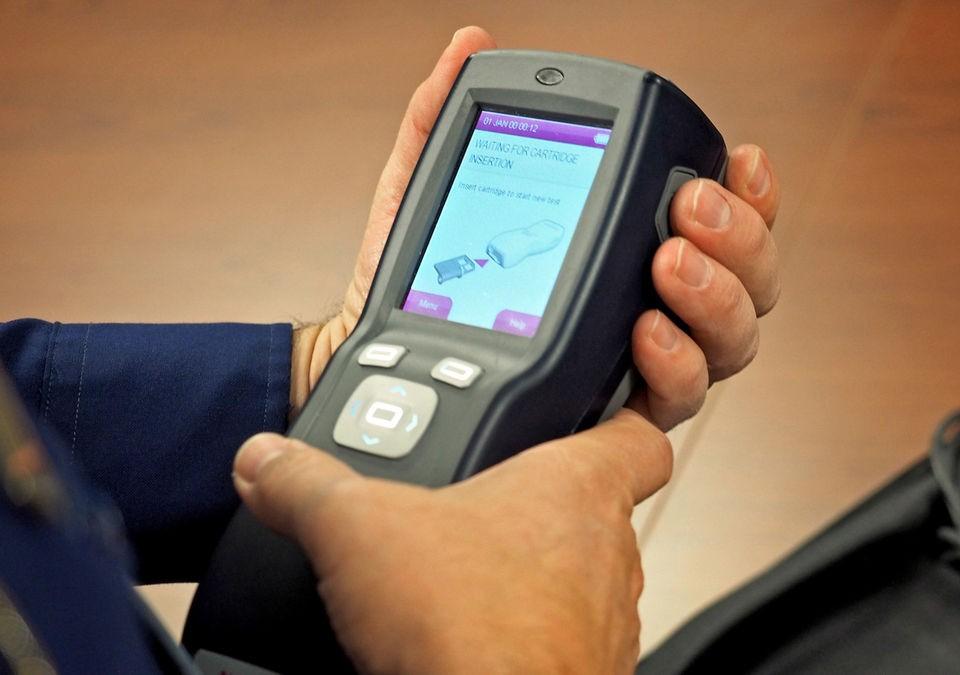
Saliva THC tests may miss recent marijuana use while continuing to detect some frequent consumers for days, according to a systematic review of 16 studies involving 241 participants. Researchers found wide differences in detection times, with some participants testing negative shortly after THC use while estimated detection among frequent consumers reached as long as 162 hours. The researchers concluded saliva tests cannot reliably determine when marijuana was consumed or whether someone is impaired.
Oregon Marijuana Sales Reach $77.6 Million in August, 2026 Total Tops $607 Million and $103 Million in Taxes
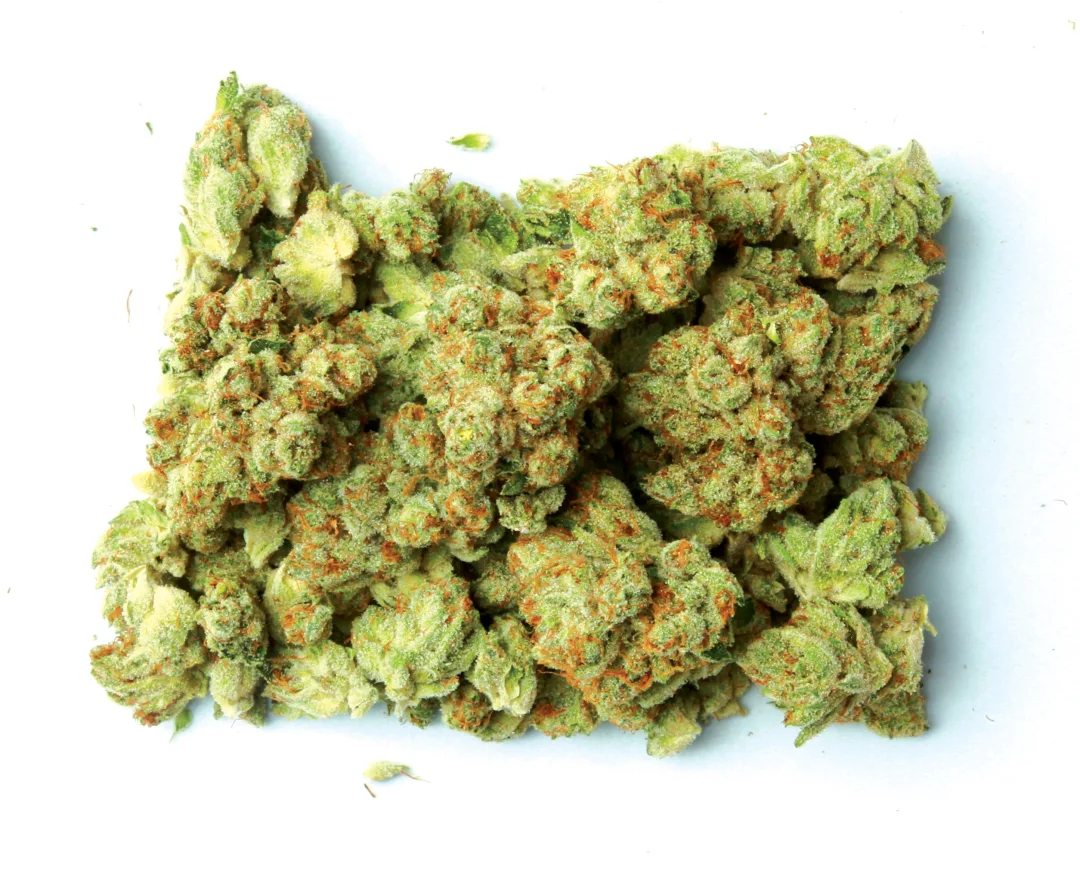
(Photo credit: Brian Breneman).
Oregon marijuana sales totaled $77.6 million in August, bringing the state’s 2026 total to approximately $607.5 million and generating around $103 million in tax revenue. Year-to-date sales are about 2.3% below the same period in 2025, while marijuana prices remain near historic lows, including roughly $3.25 per gram for usable marijuana.
Washington Cannabis Regulators Reject Eight Petitions Seeking Accessibility and Traceability Changes
The Washington State Liquor and Cannabis Board rejected eight cannabis-related rulemaking petitions, including seven seeking accessibility standards for the Cannabis Central Reporting System and one requesting emergency action over alleged traceability problems. Staff recommended denying the petitions because they were substantially similar to requests the board previously rejected in May and June.
Op-Ed: Rescheduling Won’t Fix Cannabis Overnight, but It Changes How the Industry Gets Financed
In an op-ed, NewLake Capital Partners co-founder and CEO Anthony Coniglio argues that moving marijuana to Schedule III could reshape how the industry is financed even if it does not immediately solve its broader challenges. Coniglio says eliminating Section 280E would improve future cash flow visibility, reduce leverage pressure and strengthen companies’ credit profiles.
Florida Medical Marijuana Program Tops 940,000 Patients for First Time, Reaches Record 778 Dispensaries
Florida’s medical marijuana program has surpassed 940,000 active patients for the first time while reaching a record 778 licensed dispensaries. State data showed 940,116 qualified patients as of August 28. During the latest weekly reporting period, treatment centers dispensed more than 426 million milligrams of THC and approximately 148,061 ounces of smokable marijuana.