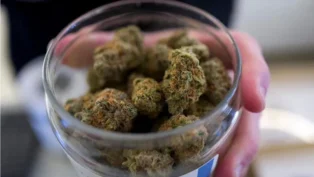
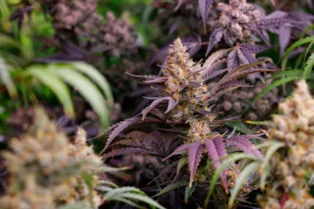
Young adult cancer survivors reported that medical marijuana can be useful for managing symptoms, although many said they lacked reliable guidance from healthcare providers and often relied on dispensaries, friends or their own research, according to a new study.
The study, published in Substance Use & Misuse by researchers from George Washington University and collaborating institutions, examined medical marijuana use among cancer survivors ages 18 to 39.
Researchers conducted qualitative interviews with cancer survivors who reported using marijuana within the previous month. Participants had an average age of about 34 and were, on average, slightly more than one year removed from treatment.
Researchers identified several recurring themes, including the role of state marijuana laws in determining access, the symptoms participants sought to manage and their perceptions of how well marijuana worked.
Participants also frequently described difficulty obtaining evidence-based information about medical marijuana. Many relied on dispensaries, social networks and personal research or experimentation rather than healthcare professionals.
Experiences with medical providers varied considerably. Some participants said their providers supported medical marijuana use, while others described limited discussions, provider hesitancy, conflicting information or concerns about stigma. Survivors frequently expressed a desire for medical marijuana to be more fully incorporated into healthcare decision-making.
Legalization also appeared to affect access. During cancer treatment, 56.5% of participants lived in states allowing medical marijuana but not adult-use sales, while 34.8% lived in states with broader legalization. By the time they were interviewed, 73.9% lived in states where adult-use marijuana was legal.
The researchers said the findings demonstrate the perceived usefulness of medical marijuana among young adult cancer survivors while highlighting gaps in healthcare guidance and inconsistent policies.
Because the study was based on qualitative interviews with people who already used marijuana, it was not designed to determine whether marijuana objectively improves cancer-related symptoms, but instead to examine survivors’ experiences, perceptions and reasons for using it.
The study is titled “Cannabis Use Among US Young Adult Cancer Survivors: Impacts of Legal Context, Information Sources, and Interactions with Healthcare Providers.” It was published online September 8.