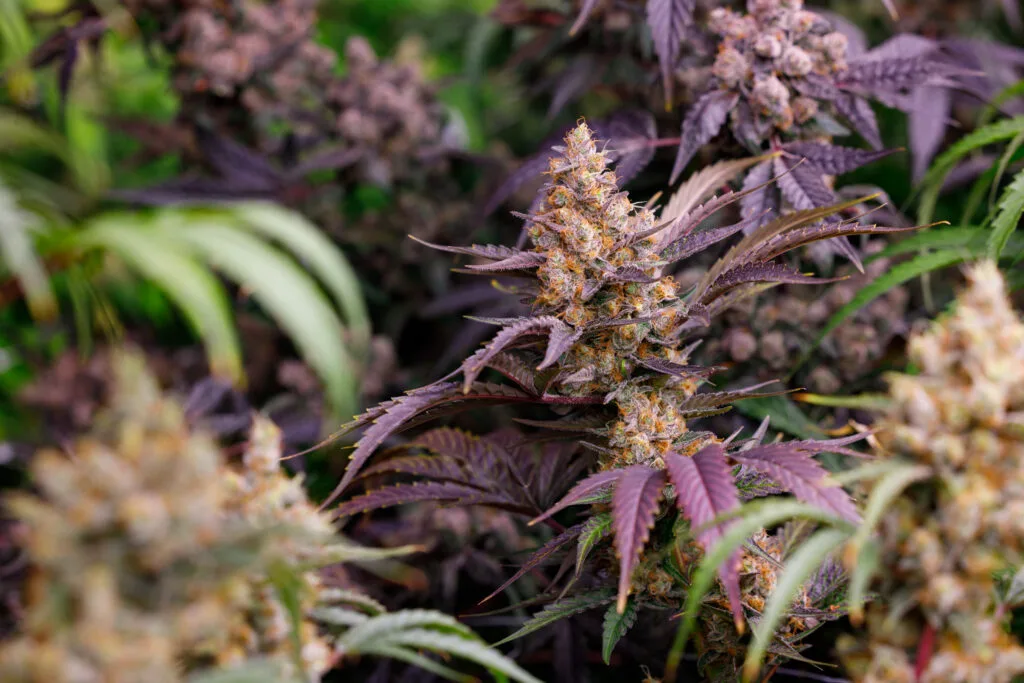
(Photo credit: Craig Barker Photography).
A study involving 3,744 medical marijuana patients found significant improvements in chronic pain, sleep quality, anxiety and overall quality of life over a two-year period, with more than half of participants estimated to have achieved clinically meaningful reductions in pain.
The study, published in The Journal of Clinical Pharmacology, analyzed patients enrolled in the UK Medical Cannabis Registry who were prescribed cannabis-based medicinal products for chronic pain. Researchers tracked changes in symptoms over 24 months, examining both overall treatment outcomes and differences in how individual patients responded.
Participants completed standardized assessments measuring pain severity, the extent to which pain interfered with everyday activities, anxiety, sleep quality and overall health. Measurements were collected before treatment and at one, three, six, 12, 18 and 24 months.
Researchers found statistically significant improvements across every measured outcome over the two-year period. Pain severity and pain interference both declined, while patients also reported better sleep, reduced anxiety and improved health-related quality of life.
More than half of participants were estimated to have achieved a clinically meaningful improvement in each of the two primary pain measures at 24 months. The researchers also identified five distinct patterns of pain response, showing that while average pain scores improved across the groups, some patients experienced substantially greater or more sustained relief than others.
The study also examined changes in conventional medication use. Among participants prescribed opioids at the beginning of treatment, approximately 23% were estimated to have achieved a clinically meaningful reduction in their daily opioid dosage by the two-year mark. Patients taking pregabalin or related medications also showed reductions in average dosage beginning at six months.
The average participant was approximately 46 years old, and 58% were men. Nearly three-quarters had previously consumed marijuana, including 57% who were current consumers before beginning prescribed treatment.
Adverse events were reported by 538 patients, representing 14.4% of the study population, with most classified as mild or moderate.
Although 3,744 patients were included in the analysis, 1,309 had directly recorded pain-severity assessments at 24 months. Among those patients, average pain scores declined from 5.86 to 4.55 on a 10-point scale, with 56.7% achieving a clinically meaningful reduction. Researchers used statistical methods to account for missing follow-up measurements in their overall analysis.
Because the study was observational rather than a randomized controlled trial, the findings establish an association between prescribed medical marijuana treatment and improved outcomes, rather than proving that marijuana directly caused the improvements.
The researchers concluded that cannabis-based medicinal products were associated with sustained improvements in pain and several related measures of well-being, while the different response patterns highlighted considerable variation in long-term outcomes.