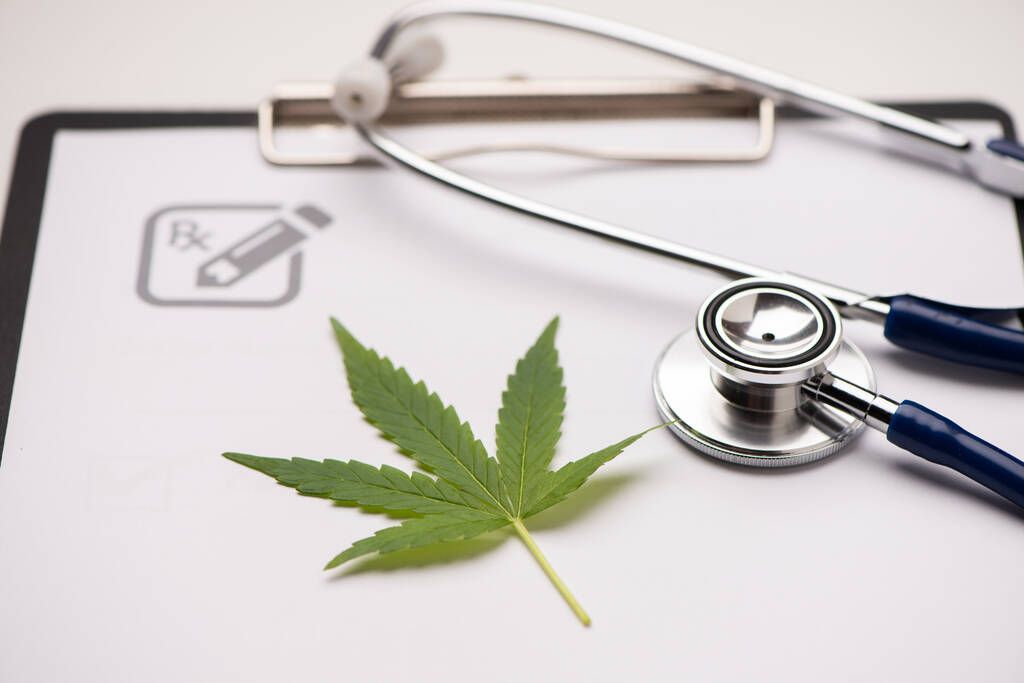
Medical marijuana treatment was associated with significant improvements in sleep quality among patients with insomnia, with benefits lasting up to two years, according to a new study involving 211 patients in the United Kingdom.
The study, published October 26 in Neuropsychopharmacology Reports, was conducted by researchers affiliated with Imperial College London, King’s College London and Curaleaf Clinic. It examined patients enrolled in the UK Medical Cannabis Registry who were prescribed marijuana-based medications specifically for insomnia.
Researchers evaluated sleep quality before treatment and at one, three, six, 12, 18 and 24 months afterward, using a standardized 10-point scale in which higher scores indicate better sleep.
Average sleep quality scores increased from 2.46 before treatment to 5.79 after one month, reaching 6.23 at 12 months and remaining significantly above baseline at 5.14 after two years. Improvements were statistically significant at every follow-up point.
Patients experiencing the most severe sleep difficulties before beginning treatment were particularly likely to report meaningful improvements. Those with the lowest possible baseline sleep score had approximately 15 times greater odds of achieving a clinically significant improvement compared with participants whose initial scores were between four and 10.
The study also identified differences based on the type of marijuana product prescribed. Patients receiving dried marijuana flower alone had nearly five times greater odds of clinically meaningful sleep improvement compared with those receiving marijuana oil alone, after adjusting for other variables.
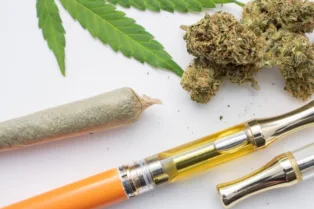
At the beginning of treatment, approximately 41% of participants were prescribed marijuana flower, 30% received oil-based products and 29% received a combination of both. Flower products were administered through vaporization, while oils were taken under the tongue.
Researchers also documented improvements in anxiety symptoms. Average scores on a standardized anxiety assessment declined from 10.41 before treatment to 7.36 after 24 months, with nearly 49% of participants meeting the threshold for clinically significant improvement.
Adverse events were reported by 17 participants, representing approximately 8% of the study population. The most commonly reported included insomnia, fatigue and dry mouth. No life-threatening adverse events were recorded.
The researchers noted that the study was observational and did not include a placebo control group. Approximately 60% of participants were already using marijuana before entering the study, and missing follow-up responses, including about 64% at 24 months, were addressed through statistical imputation.
Despite these limitations, the findings provide additional long-term evidence associating prescribed marijuana products with improvements in sleep quality among patients receiving treatment for chronic insomnia.