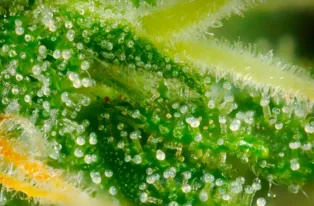
Fig. 1 Schematic illustration of the process followed to prepare the orange, hemp and microcrystalline cellulose hydrogels.
Researchers have successfully converted discarded hemp stems into biodegradable materials capable of supporting human stem cell growth, potentially opening new applications for industrial hemp in regenerative medicine, tissue engineering and wound care.
The study, published October 27 in the journal Discover Materials, was conducted by researchers affiliated with institutions in Spain and Ecuador, including Universidad Alfonso X el Sabio and Universidad San Francisco de Quito. It examined whether cellulose extracted from agricultural waste could be transformed into hydrogels suitable for biomedical applications.
Hydrogels are water-rich materials that can provide a supportive environment for living cells. Researchers created experimental hydrogels from discarded hemp stems and orange peels, comparing their properties with those made from commercially available microcrystalline cellulose.
The hemp-derived material demonstrated several characteristics considered important for biomedical use, including a highly porous structure, substantial water absorption and compatibility with living human cells.
Using advanced imaging techniques, researchers found that the hemp hydrogels had an overall porosity of approximately 78%, with more than 99% of their internal pore network interconnected. This structure is particularly important for tissue engineering because it can facilitate the movement of nutrients and support cell interactions within the material.
The hemp-based hydrogels also demonstrated considerable water absorption, taking up approximately six times their dry weight in fluid after three hours of immersion. After 96 hours, their swelling capacity stabilized at approximately 650%.

Researchers then evaluated how the materials interacted with adult human bone marrow-derived mesenchymal stem cells, which are involved in tissue maintenance and repair.
Cell viability remained above 80% throughout the seven-day testing period for all formulations. The hemp-derived hydrogels achieved approximately 90% cell viability by day three, before declining to around 80% by day seven.
Additional testing found increasing cellular metabolic activity over time, consistent with stem cell proliferation. Microscopic examinations also showed that cells maintained their normal characteristics while growing in the presence of the experimental materials.
Although the hemp-based hydrogels performed well, those produced from orange peels demonstrated several advantages, including greater overall porosity of approximately 92%, higher water absorption and more favorable conditions for stem cell attachment and growth.
The researchers identified potential applications for both materials in wound dressings and tissue engineering. Their ability to absorb substantial amounts of fluid could make them useful for managing moisture in wounds, while their interconnected structures could provide scaffolding for growing cells.
The study also highlights a potential new use for hemp agricultural waste. Hemp stems contain substantial amounts of cellulose, which can be extracted and processed into specialized materials rather than discarded after harvesting.
The experiments were conducted under laboratory conditions, and the researchers noted that additional mechanical testing, material characterization and biological evaluations are needed before the hydrogels could be considered for clinical applications.
The findings nevertheless demonstrate that discarded hemp stems can serve as a viable raw material for producing cell-compatible hydrogels, expanding the potential uses of industrial hemp beyond traditional applications such as textiles, construction materials and paper.



Related posts:
Study: Hemp-Based Building Material 70 Times Stronger Than Conventional Hempcrete, With 92% Lower Ca...

Study Finds Hemp Seed Waste Can Be Turned Into Stronger, Biodegradable Plastic, Boosting Strength by...