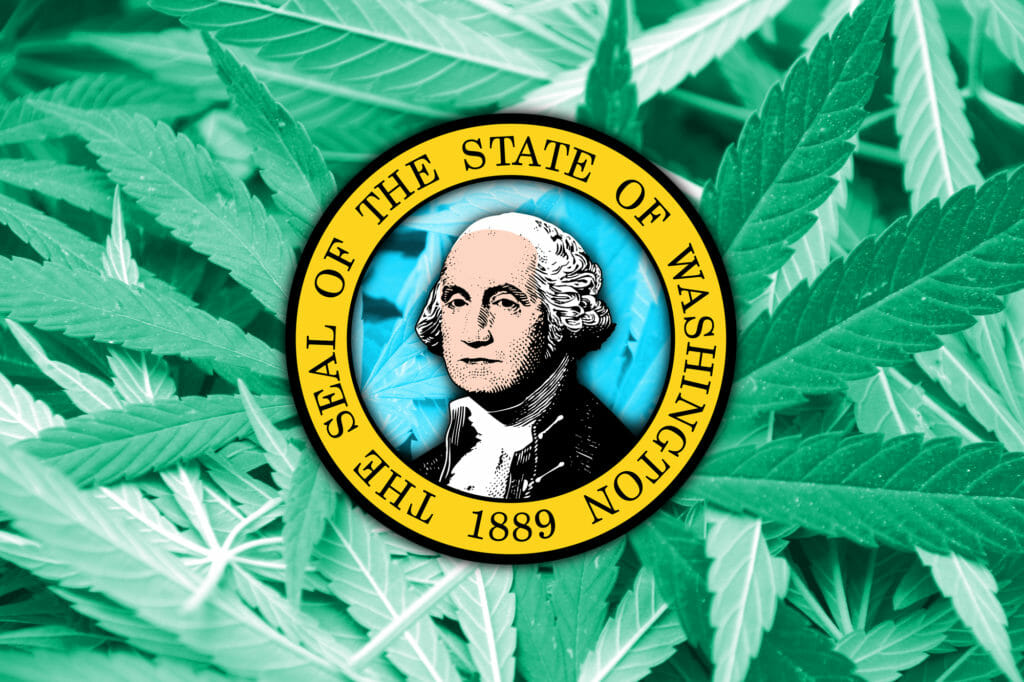
The Washington State Liquor and Cannabis Board is scheduled to vote Wednesday on a proposal that would create state-issued certificates verifying marijuana businesses’ participation in Washington’s medical cannabis system, potentially giving licensees documentation for Drug Enforcement Administration (DEA) registration, banking, research, insurance and other purposes.
The proposal comes amid a major shift in federal marijuana policy. On April 28, the U.S. Department of Justice finalized a rule placing marijuana covered by qualifying state medical marijuana licenses in Schedule III of the Controlled Substances Act and establishing an expedited DEA registration process for state-licensed medical marijuana businesses.
DEA has since opened a Medical Marijuana Dispensary Registration Portal for businesses seeking federal registration. Under the new federal rules, applicants holding state medical marijuana licenses can submit their state credentials as conclusive evidence that they are authorized under state law to conduct the activity for which federal registration is sought.
That requirement is particularly relevant in Washington, where medical and recreational marijuana operate within an integrated licensing system rather than through entirely separate medical business licenses.
The proposed Washington rule stems from a rulemaking petition submitted by Caitlein Ryan and The Cannabis Alliance. The board received the petition August 13 and is scheduled to consider it during its October 7 meeting.
The petition asks the board to establish a Medical Cannabis Verification Certificate documenting a licensee’s regulatory status and participation in activities authorized under Washington’s medical marijuana laws.
Washington currently has medical endorsements for retailers, medical product standards administered by the Department of Health, certified medical cannabis consultants and a patient authorization database. However, the petition says there is no standardized process for the Liquor and Cannabis Board to provide businesses with official documentation verifying the scope of their medical marijuana activities.
The petition says that gap can create problems when businesses need official state documentation for federal registration, research participation, banking, insurance or other legal and regulatory purposes.
Under the proposed rule, licensed marijuana businesses could request verification of their regulatory status for “governmental, regulatory, financial, research, insurance, litigation, or other lawful purposes,” including federal registration processes.
The board would designate one or more employees to receive verification requests, respond to inquiries from federal agencies and other government entities, coordinate with the Washington State Department of Health when necessary and issue Medical Cannabis Verification Certificates.
Certificates could confirm information contained in the board’s licensing and endorsement records, including whether a retailer holds a medical marijuana endorsement and whether producers or processors participate in state-authorized medical marijuana activities.
The proposal would not create a new marijuana license or endorsement, and a certificate would not itself determine whether a business qualifies for a federal program or complies with federal law.
The federal registration system makes the distinction significant. DEA’s April rule defines a state medical marijuana license as one issued by a state entity authorizing a business to manufacture, distribute or dispense marijuana for medical purposes. DEA has established an expedited registration pathway for those businesses, including manufacturers, distributors and dispensers.
However, Liquor and Cannabis Board staff are recommending that the board deny the petition.
Staff said the board and Department of Health may not possess enough historical information to fully verify how individual businesses participated in Washington’s medical marijuana system, potentially requiring the agencies to rely partly on self-reported information from licensees.
The agency also said creating and maintaining the certificate system would require staff time, resources and technical support that have not been included in the board’s budget.
Perhaps most significantly, staff raised concerns about whether the proposed certificates would actually satisfy the new federal registration requirements.
Washington generally combines medical and recreational marijuana activities under the same licenses. Because a business receiving a medical verification certificate could also produce, process or sell recreational marijuana, staff said the certificate “very likely would not conform to federal medical cannabis standards” or assist a business in qualifying for the federal registration program the petition is intended to accommodate.
At the same time, staff concluded that the board likely has authority to issue documentation identifying whether a marijuana producer, processor or retailer is authorized to participate in medical marijuana activities.
Under the federal rule, DEA registration cannot exceed the scope of a business’s underlying state medical marijuana license, and suspension, revocation or expiration of that state authorization automatically suspends the corresponding federal registration.
The federal rule also has implications for marijuana research. Federally registered researchers may obtain marijuana from a state-licensed source if that business holds a valid federal registration, potentially giving state medical-marijuana licensing and verification systems a new role in supplying marijuana for federally authorized studies.
The three-member Washington board is scheduled to decide October 7 whether to accept or deny the rulemaking petition. Approval would begin the rulemaking process rather than immediately establish the certificate system.



Related posts:
Wisconsin's Incoming Senate Republican Leader Leaves Door Open to Marijuana Legalization, Says He's ...

Maryland Issues Guidance Allowing Dispensaries to Continue Selling Hemp-Derived Products That Don't ...