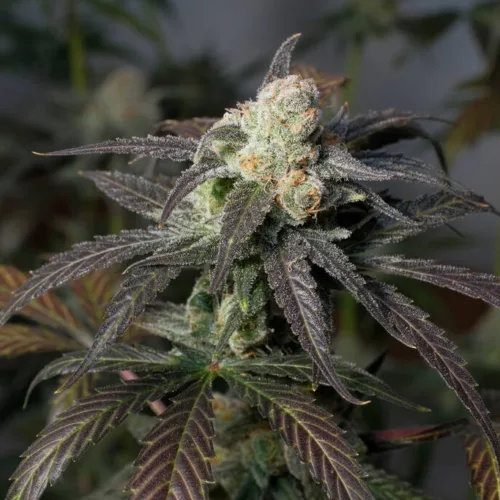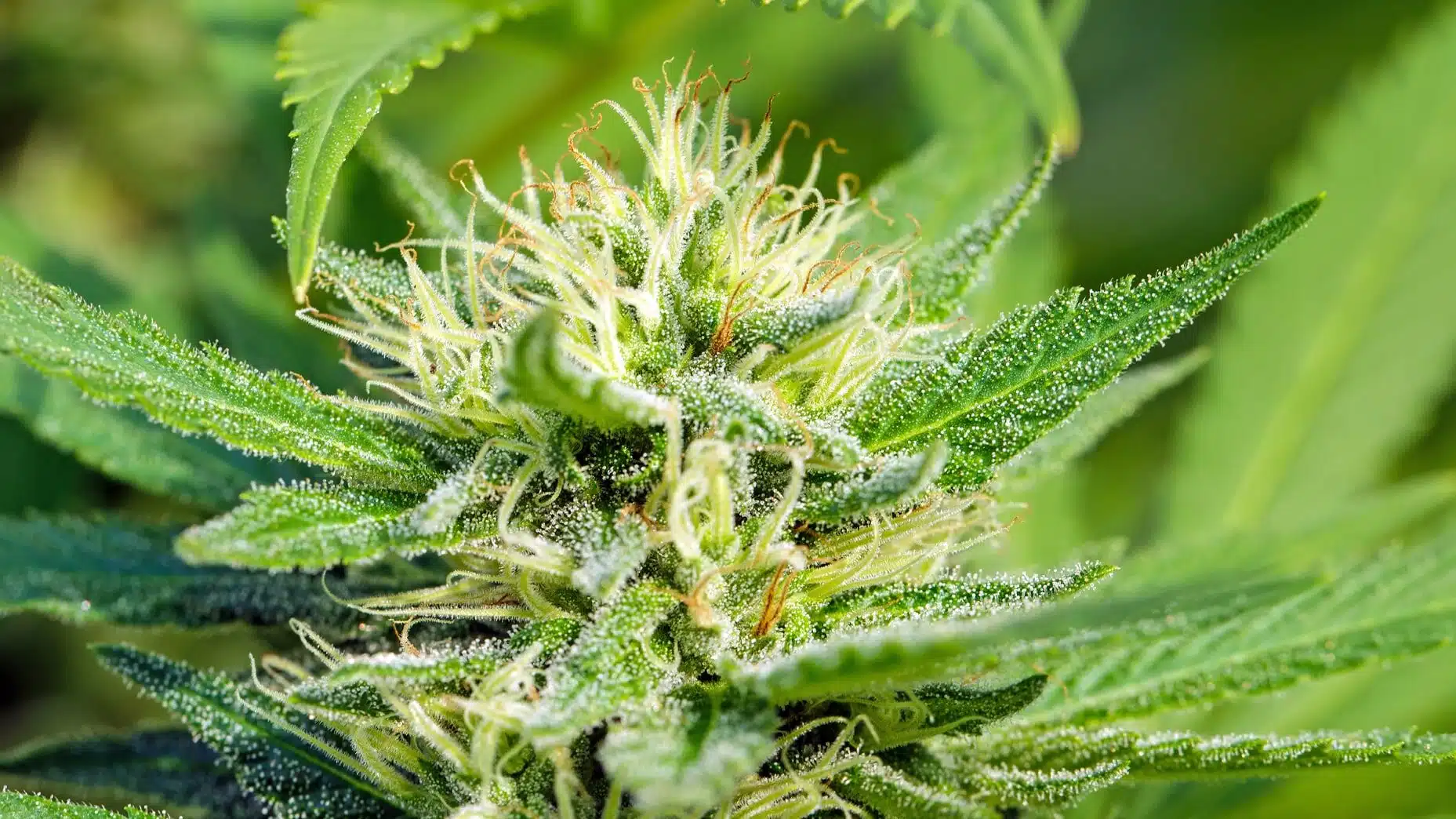
Marijuana plants exposed to a bioacoustic protocol produced nearly twice as much usable dry flower as untreated plants in a new cultivation study.
The study, conducted by Robert Flannery, PhD, of Dr. Robb Farms in California, examined the Bioacoustic Cultivation and Communication Protocol (BCCP), a sequence of sound signals developed by Haivya, Inc. The paper was posted on ResearchGate, the full text of which can be found by clicking here.
The trial included 36 genetically identical Lemon Cherry Gelato clones sourced from a single mother plant. Eighteen plants received the sound treatment, while 18 served as controls. The plants were grown from December 2025 through March 2026 in four cultivation tents under matching lighting, feeding and climate protocols.
Plants in the treatment group were exposed to a proprietary sequence of sounds tailored to seven stages of development, from propagation through harvest. Sound levels measured at the canopy ranged from approximately 55 to 80 decibels.
At harvest, treated plants produced an average of 59 grams of usable dry flower, including buds and sugar leaf trim, compared with 30.7 grams among control plants. This represented a 92.4% increase.
The difference was even larger when researchers examined trimmed flower, the highest-value portion of the harvest. Treated plants produced an average of 28.2 grams of trimmed buds, compared with 12.8 grams among controls, an increase of 120.9%.
Fresh plant weight was also 76.2% higher in the treatment group, averaging 298.4 grams compared with 169.4 grams. Total sellable output, consisting of trimmed buds and sugar leaf trim, increased by 90.1%.
Although the treatment substantially increased flower production, it did not increase THC potency. Treated flower averaged 24.90% THC, compared with 25.05% among controls.
However, because the treated plants produced considerably more flower, their total THC yield was much higher. The average treated plant produced an estimated 7.03 grams of THC, compared with 3.20 grams per control plant, a 119.5% increase.
Total terpene concentrations were 4.6% higher in the treatment group. Beta-caryophyllene increased by 22.4%, while beta-myrcene increased by 7.3%. Linalool and limonene concentrations remained largely unchanged.
The treatment was also associated with more reproductive sites and earlier flowering development. At harvest, treated plants had 36.8% more bud sites per centimeter of height. All 18 treated plants had initiated preflower development three days before the lighting schedule was changed to induce flowering, compared with one of the 18 control plants.
Treated plants used more water overall because they grew larger, but required 819 milliliters of water per gram of dry flower, compared with 1,255 milliliters among controls. This amounted to a 34.7% reduction in water use per gram produced.
The findings should be considered preliminary. The study involved one cultivar, one facility and only 36 plants. The proprietary sound sequence was not disclosed, making independent replication difficult, and drying and curing conditions were not independently monitored.
In addition, the acoustic treatment was assigned by tent rather than separately to each plant, with two treatment tents and two control tents. Because individual plants were treated as independent observations in the statistical analysis, differences between tents could have contributed to the results and the reported statistical certainty may be overstated.
The author said additional testing across facilities, cultivars and plant species will be needed to determine whether the results are reproducible and commercially scalable.