Patients with endometriosis who were prescribed medical cannabis reported sustained reductions in pain over a two-year period, along with improvements in quality of life and a decrease in prescribed opioid use, according to a new study.
Published in the Australian and New Zealand Journal of Obstetrics and Gynaecology, the study was conducted by researchers from Imperial College London, Curaleaf Clinic and several UK health institutions. Researchers analyzed prospective data from 101 patients enrolled in the UK Medical Cannabis Registry.
All participants were adult women with a primary diagnosis of endometriosis and had been enrolled in the registry for at least two years. Patient-reported outcomes were assessed at baseline and again after one, three, six, 12, 18 and 24 months.
Researchers found significant changes over time in multiple measures of pain, quality of life, anxiety and sleep. Measures of pain severity, pain interference, overall pain and scores on the Short Form McGill Pain Questionnaire were significantly lower than baseline at every follow-up.
Brief Pain Inventory severity scores declined from an average of 5.8 at baseline to 3.9 after 24 months, while pain interference scores fell from 6.6 to 4.5. Pain Visual Analogue Scale scores decreased from 6.9 to 5.4.
Prescribed opioid use also declined. Average daily oral morphine equivalents fell from 19.9 milligrams at baseline to 14.8 milligrams after two years. Among the 46 participants prescribed opioids at some point during the study, 26.1% achieved what researchers classified as a clinically meaningful reduction.
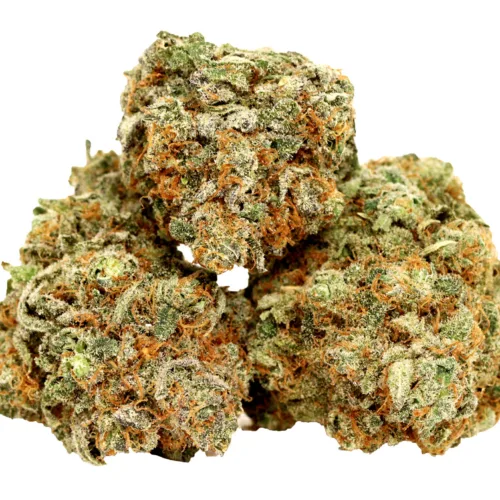
Participants received a variety of cannabis-based medicinal products, including oils and dried flower. The most common treatment at baseline was a combination of dried flower and oil, used by 59.4% of participants.
Eighteen participants, or 17.8%, reported a total of 165 adverse events. More than half were classified as mild, with fatigue, lethargy and headache being the most frequently reported. Eighty-three of the 101 patients reported no adverse events.
The researchers cautioned that the study was observational and did not include a control group, meaning it cannot establish that cannabis caused the improvements. Differences in cannabis formulations and doses, selection bias and loss to follow-up were also cited as limitations.
Researchers concluded that the findings provide real-world evidence supporting the potential usefulness of cannabis-based medicines for endometriosis-associated pain, while stressing that randomized, placebo-controlled trials are needed to establish effectiveness, optimal dosing and long-term safety.