A new University of Florida study found that 94% of medical marijuana patients who used it to treat chronic pain reported improvements in their condition, while a large majority of surveyed prescription opioid users said they had reduced or stopped taking opioids after beginning marijuana treatment.
The study, published October 30 in the journal Cannabis, examined responses from 632 medical marijuana patients in Florida. Researchers identified 278 participants who reported chronic pain as a primary reason for using marijuana, comparing their experiences with those of 354 patients using it for other conditions.
Among the chronic pain group, 260 participants, or 94%, reported that their pain had improved with medical marijuana use. Just 0.4% reported worsening pain.
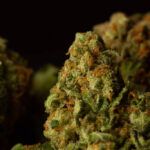
Researchers also examined which marijuana products patients considered most effective. Of the 208 chronic pain patients who identified a preferred method or product for relief, 57% selected marijuana flower, 44% selected vaping products and 43% selected edibles.
Across the full study population, 231 participants reported having used prescription opioids during the previous five years, with 209 providing information about changes in their opioid use since beginning medical marijuana.
Of those 209 respondents, 38% reported reducing their opioid use, while another 43% said they had stopped taking opioids entirely. Combined, approximately 81% reported either decreasing or discontinuing their use, although the survey did not independently verify prescription changes.
The researchers also investigated differences in patient demographics and product preferences. Patients using medical marijuana primarily for chronic pain tended to be older, with 54% aged 50 or above, compared with approximately 31% of participants using it primarily for other conditions.
Product preferences showed a strong tendency toward THC-dominant marijuana. Across the overall survey population, products containing primarily or exclusively THC accounted for 87% of flower use, 85% of vaping products, 79% of oral concentrates and 73% of edibles. Topical products showed a more balanced distribution between THC-dominant formulations and products containing equal proportions of THC and cannabidiol (CBD).
Researchers also examined dosing patterns. Among patients using marijuana flower for chronic pain, THC concentrations between 15% and 20% were most commonly reported, compared with 20% to 25% among participants using marijuana for other conditions. Those using edibles most commonly reported consuming 10 milligrams of THC per session.
Side effects were generally described as mild. Across all participants, the most commonly reported effects were dry mouth at 26%, fatigue or low energy at 24%, and insomnia at 22%. Several side effects were more frequently reported by chronic pain patients, including dry mouth, fatigue, nausea and headaches.
The study used data from Florida’s Medical Marijuana & Me research project, with participants recruited through 10 medical marijuana clinics and clinic networks over a four-month period. The research was conducted by Kendall Robinson, Jennifer Jean Jacques, Robert Cook and Yan Wang of the University of Florida’s Department of Epidemiology.



Related posts:

New Hampshire Lawmaker Drafting New Marijuana Legalization Bill After Democrats Win Legislature

South Dakota Doubles Medical Marijuana Edible THC Limit to 100 Milligrams Per Serving as New Rules T...