Oral Cannabinoid Formulation Outperforms Prescription Drug Pregabalin in Neuropathic Pain Relief in New Study

A newly published study has found that an oral cannabinoid formulation was more effective than the prescription drug pregabalin in alleviating chronic neuropathic pain in an animal model, while also reducing inflammation and oxidative stress.

Researchers from Birla Institute of Technology and Science Pilani, Delhi Pharmaceutical Sciences & Research University, and the University of Delhi evaluated four cannabinoid formulations (F1 to F4) in a rat model of chronic sciatic nerve injury. The study, published in the journal Neurological Research, aimed to explore the therapeutic potential and mechanisms behind these formulations.

The 21-day study involved 35 male Wistar rats divided into seven groups. All groups except the control underwent a sciatic nerve ligation procedure to simulate chronic pain. The cannabinoid formulations, dissolved in MCT oil, were administered orally at varying concentrations (F1: 500 mg to F4: 3000 mg), with pregabalin serving as the reference drug.
Continue reading

Federally Funded Study Finds Cannabis May Help Heavy Drinkers Reduce Alcohol Cravings and Consumption

A new study funded by the National Institutes of Health found that cannabis use may reduce alcohol cravings and intake among heavy drinkers.

Researchers from Colorado State University and the University of Colorado conducted a controlled laboratory study with 62 adult participants who regularly use both alcohol and marijuana. The goal was to explore how cannabis use affects alcohol consumption, particularly in the context of legal access to marijuana.

Participants completed two sessions: in one, they consumed an initial alcoholic drink and could choose to have up to four more; in the other, they first used cannabis before being given the same opportunity to drink. The study found that participants who consumed cannabis before drinking self-administered fewer drinks and reported reduced cravings for alcohol compared to sessions without cannabis.
Continue reading

Oklahoma: $40 Million in Medical Marijuana Taxes Garnered From $575 Million in Sales So Far in Fiscal Year 2025

Oklahoma brought in $40.2 million in taxes from over $575 million in medical marijuana sales between July 1, 2024, and April 30, 2025, according to new data released by the state’s Medical Marijuana Authority.

With the tax rate set at 7%, the $40,269,697 in revenue corresponds to $575,281,386 in total sales over the 10-month period. The figure highlights the ongoing strength of Oklahoma’s medical marijuana market, which remains one of the nation’s most active in the nation despite seeing patient numbers decline for several straight months.

In April alone, medical marijuana sales reached $55,895,029, generating $3,912,652 in tax revenue. That marks one of the strongest months of the fiscal year so far.
Continue reading

PA Senate Law & Justice Committee Chair Declares Marijuana Bill “DOA” in Current Form

Just minutes after the Pennsylvania House gave final approval to HB 1200, a proposal to legalize recreational cannabis, the chair of a key Senate committee made clear the bill stands no chance, at least in its current form.

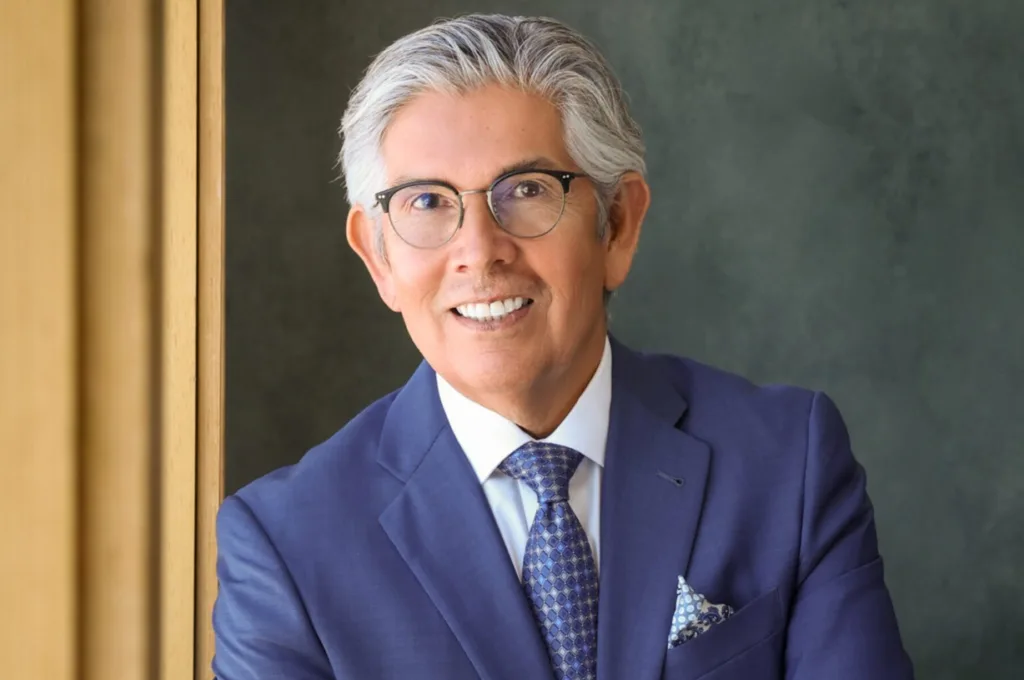
Senator Dan Laughlin, who serves as chair of the Senate Law and Justice Committee, took to social media this afternoon to double down on his opposition to the House-approved measure, which would legalize marijuana and establish state-run retail outlets.

In a post that included a photo of himself with a bold message, Laughlin said, “There is zero chance that the state store model will make it through the Senate. That idea is DOA!”
Continue reading

New York Budget Eliminates $229,000 Salary for Cannabis Control Board Chair

The newly adopted New York state budget eliminates the $229,000 annual salary of Tremaine Wright, chair of the Office of Cannabis Management’s Cannabis Control Board, a move that comes amid ongoing struggles with the rollout of the state’s legal marijuana industry.

The change was inserted into the budget bill without public debate. While the reason for the salary cut remains unclear, it’s notable given the rarity of such high salaries for state board positions. The board’s four other members only receive $260 stipends for attending meetings or official events.

Wright, a former Brooklyn Assemblymember appointed chair in 2021 by Governor Kathy Hochul, has not commented on the change.
Continue reading

Bill to Make Pennsylvania 25th Legal Marijuana State Given Final Approval by House, Sent to Senate

The Pennsylvania House of Representatives has given final approval to House Bill 1200, officially sending the measure to the state’s Senate.

HB 1200 would allow those 21 and older to legally purchase marijuana and marijuana products from state-licensed retailers overseen by the Pennsylvania Liquor Control Board. The system mirrors the state’s liquor model, including the creation of Pennsylvania Cannabis Stores. Adults would also be allowed to grow up to two mature and two immature plants at home with a permit.

Under the proposed law, individuals could possess or buy up to 42.524 grams of dried flower, up to five grams of cannabis concentrate, and up to 500 milligrams of THC in other cannabis products per day. A combination of products is allowed so long as the overall amounts remain within these thresholds.
Continue reading

Texas House Approves Legislation to Mandate Study of Psychedelic Therapies for PTSD and Depression

The Texas House of Representatives voted today to approve House Bill 4014, advancing a proposal that would require a statewide study on the potential therapeutic use of psychedelics to treat PTSD, depression, and related conditions.

Texas State Capitol Building.

Filed by State Representative John Bucy (R), the bill directs the Health and Human Services Commission to conduct a comprehensive review of psychedelic therapies—including psilocybin, MDMA, and ketamine—as potential treatments for mental health disorders. The study would include a review of current clinical trials and scientific literature, as well as an evaluation of FDA actions related to these substances. The House passed the bill

HB 4014 calls for the commission to collaborate with Baylor College of Medicine and the Center for Psychedelic Research and Therapy at the University of Texas at Austin’s Dell Medical School. The goal is to assess treatment guidelines, best practices, and patient access—especially in anticipation of possible FDA approvals of psychedelic-assisted therapies in the coming years.
Continue reading

Maine: $19.3 Million in Legal Marijuana Sold in April, $244 Million Year-to-Date, Cost Per Gram Reaches Record Low

Maine’s legal marijuana market continued its steady momentum in April, generating $19,317,383 in sales across 381,865 transactions.

The data, released by the Office of Cannabis Policy, shows the average price per gram of dried flower fell to a record low of $6.63. That’s $0.24 less than in March, when the previous record low of $6.87 was set. This marks fifth straight month of declining flower prices, even as sales volume remains strong.

Nearly 60% of April’s revenue—roughly $11.3 million—came from “usable marijuana,” which includes dried flower and prerolls. Other categories such as concentrates, edibles, and vape products made up the remaining share.
Continue reading

Study: Cannabinol (CBN) Enhances Effectiveness of Breast Cancer Drug Exemestane

Combining the cannabinoid cannabinol (CBN) with the breast cancer drug exemestane may significantly improve treatment outcomes for patients with estrogen receptor-positive (ER+) breast cancer, according to a new study published in the European Journal of Pharmacology.

Researchers from Universidade do Porto in Portugal and the Technical University of Denmark evaluated the effects of CBN in combination with three aromatase inhibitors commonly used in clinical settings—anastrozole, letrozole, and exemestane. The experiments, conducted using MCF-7aro breast cancer cells and tumor spheroids, revealed that only the combination of CBN and exemestane produced a meaningful reduction in cancer cell viability and growth.

The study found that CBN enhanced the anti-tumor action of exemestane by reducing the expression of aromatase, the enzyme responsible for estrogen production. This combination also improved the regulation of estrogen receptor alpha (ERα) and androgen receptor (AR) activity—key targets in ER+ breast cancer therapy. Notably, the CBN and exemestane pairing helped overcome one of exemestane’s drawbacks—its weak estrogen-like effect—while also preventing AR overexpression, which can contribute to treatment resistance.
Continue reading

U.S. Veterans Affairs Secretary Reaffirms Support for Psychedelic Research, Says Agency Involved in 11 Studies

Veterans Affairs Secretary Doug Collins says the department remains committed to researching psychedelics as a potential treatment for conditions like PTSD and traumatic brain injury, noting the agency is currently involved in 11 separate studies on the issue.

The comments came during a Senate Veterans’ Affairs Committee hearing yesterday, where Senator John Boozman (R-AR) brought up Collins’ earlier remarks about psychedelics made during a Cabinet meeting with President Donald Trump. Boozman said the committee is paying close attention to the issue and is interested in finding new solutions for veterans with severe mental health needs.

In response, Collins emphasized that helping veterans who haven’t benefited from standard treatments remains a top priority, saying “I’m committed to doing whatever we can to provide veterans and those who have maybe not responded to traditional care and others, especially in the area of PTS and also TBI, the other issues that we’re dealing with that lead to a lot of what we’ve seen in suicide and death by suicide. So we’re looking at it right now.”
Continue reading