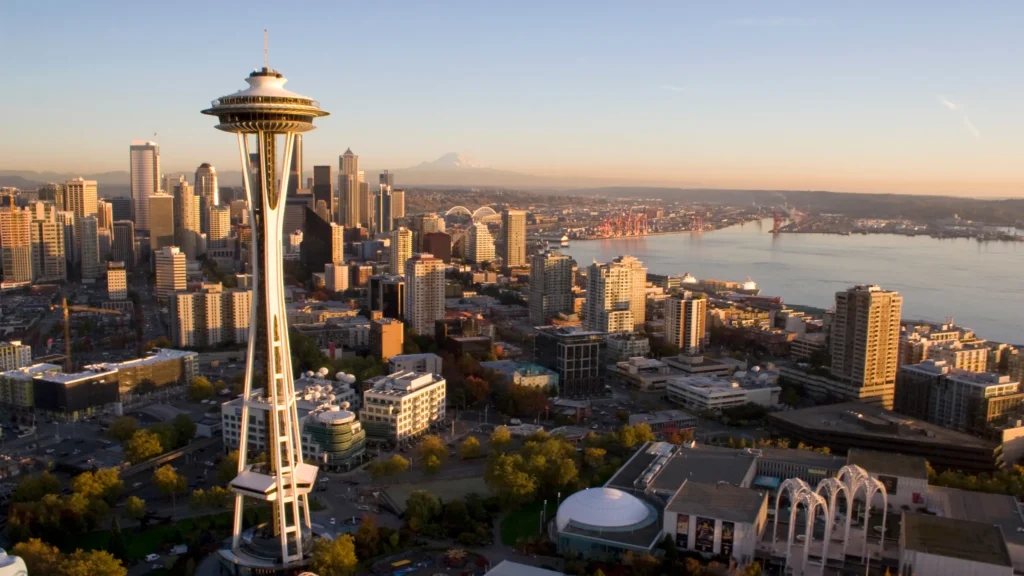
In 2003, Seattle voters passed an initiative that, while modest in legal scope, would eventually become a turning point in the nationwide push to end marijuana prohibition.
Initiative 75, approved by a clear majority of voters, made adult marijuana possession the city’s “lowest law enforcement priority.” At a time when marijuana arrests remained common across the United States, Seattle’s move was seen as both bold and symbolic. The ordinance didn’t legalize marijuana or stop arrests altogether, but it sent a clear message: criminalizing adults for possessing small amounts of marijuana was no longer acceptable public policy.
The initiative also created a Marijuana Policy Review Panel to oversee the city’s compliance and impact. While critics dismissed the ordinance as largely symbolic, its ripple effects proved substantial. The new policy effectively de-escalated enforcement against marijuana users in Seattle and helped spark a broader public conversation on the cost and consequences of prohibition.
Seattle’s measure was one of the earliest successful voter-led efforts to push back against punitive drug laws without waiting for federal permission. It joined San Francisco and a few college towns in adopting marijuana decriminalization policies, but Seattle was the first major city in a non-legal state to do so through a citywide vote.
The political impact of I-75 was magnified by the growing momentum behind medical marijuana reforms, particularly in the Pacific Northwest. In 1998, Washington voters had approved the use of medical marijuana, but the law left many users and providers vulnerable to arrest. Seattle’s policy offered them a degree of practical protection and signaled growing public tolerance.
Over time, the strategy of local reform would prove successful. City after city began deprioritizing marijuana arrests, especially for personal possession. In places like Denver, Oakland, and even Detroit, activists saw the Seattle model as one that could be replicated, providing both a political win and practical relief while building support for broader changes.
In 2012, less than a decade after Seattle’s ordinance passed, Washington voters approved Initiative 502, legalizing marijuana statewide for adult use. Seattle quickly became a hub of the legal market. The city that once told police to stand down on marijuana possession was now regulating and taxing cannabis sales.
Since then, more than 20 states have followed Washington’s lead, legalizing recreational marijuana. Over three dozen allow medical use. And in many more cities and counties, local ordinances resembling Seattle’s 2003 law helped lay the groundwork for these statewide shifts.
The legacy of I-75 is especially notable given the broader political climate of the early 2000s. At the time, the federal government was aggressively cracking down on marijuana dispensaries and medical marijuana users, and public opinion still leaned heavily against legalization. Seattle’s vote showed that even in that environment, grassroots advocacy could move the needle.
Today, many marijuana reform advocates credit Seattle’s 2003 initiative with helping to kickstart a national reexamination of drug policy. While the ordinance itself didn’t change state or federal law, it reshaped local enforcement priorities and demonstrated that public support for reform extended beyond medical use.
It also forced local officials to reckon with the racial and economic disparities in marijuana arrests. Studies before and after the law’s passage showed Black residents were far more likely to be arrested for marijuana than white residents, despite similar usage rates. By shifting police focus away from low-level marijuana possession, Seattle helped reduce some of those disparities while freeing up law enforcement resources for more serious crimes.
Though much has changed in the two decades since I-75 passed, the idea that cities can lead where higher levels of government lag behind remains central to the reform movement. Seattle’s experiment in deprioritization helped transform marijuana from a criminal offense to a regulated industry and social justice issue—one city ordinance at a time.