A beverage made from hemp seeds significantly reduced cholesterol, inflammation and several markers of liver stress in a new preclinical study published today in the journal Discover Food.
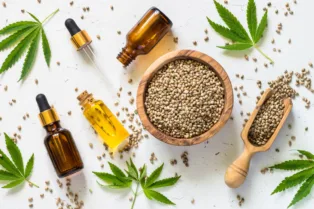
Researchers from Yunnan University of Chinese Medicine and affiliated institutions developed a beverage consisting of hemp seeds and purified water and examined its effects in rats fed a high-fat diet.
The study found that the hemp seed beverage significantly reduced total cholesterol and free fatty acids while increasing high-density lipoprotein cholesterol, commonly known as HDL or “good” cholesterol.
Researchers also observed reductions in the inflammatory markers interleukin-6 and tumor necrosis factor-alpha, along with decreases in malondialdehyde, a marker of oxidative stress.
Glutathione, an important antioxidant involved in protecting cells against oxidative damage, increased following treatment.
The beverage also reduced levels of alanine aminotransferase and aspartate aminotransferase, two enzymes commonly measured to assess liver function and potential liver injury.
Not every lipid measurement improved. Researchers found no significant changes in triglycerides or low-density lipoprotein cholesterol, commonly known as LDL or “bad” cholesterol.
Analysis of liver tissue found that the beverage reduced expression of sterol regulatory element-binding protein-1 and 3-hydroxy-3-methylglutaryl-CoA reductase, proteins involved in lipid and cholesterol synthesis.
Chemical analysis found the drink contained alpha-linoleic acid, alpha-linolenic acid, cannabidiol (CBD) and proteins. The hemp seeds used in the research contained no detectable THC.
Researchers said the findings suggest the beverage’s effects may involve a combination of reduced inflammation, lower oxidative stress and regulation of lipid synthesis.
Researchers concluded that the results provide preliminary evidence supporting hemp seed beverages as a potential functional food for managing elevated blood lipids and protecting liver function, while noting that additional research is needed to establish safety and effectiveness.



Related posts:
Study Finds Brain’s Natural Cannabinoid System Declines With Age, While Low-Dose THC May Help Counte...

Three-Year Study Finds Hemp Plants Can Be Shortened 14% Without Significantly Reducing Seed Yields