With the November 3 midterm election less than a week away, voters across the United States are preparing to decide races and ballot measures that could have significant consequences for marijuana policy at the local, state and federal levels.
From a proposed repeal of recreational marijuana sales in Massachusetts to congressional races that could influence federal legalization, banking reform and more, the election presents a wide range of decisions involving marijuana laws.
Over the past month, The Marijuana Herald has examined marijuana-related ballot measures, governor’s races and the positions of candidates in all 435 U.S. House races and all 35 U.S. Senate contests. The following guide brings that reporting together, with links to more detailed coverage and updates from the final weeks before Election Day.
Statewide Marijuana Ballot Measures
Massachusetts and Idaho are home to two of the country’s most significant statewide marijuana-related ballot questions this year.
In Massachusetts, voters will decide Question 8, which would repeal the state’s regulated recreational marijuana retail market while preserving medical marijuana access and allowing limited adult possession. If approved, the repeal would take effect January 1, 2028.
Supporters argue that eliminating recreational sales would address concerns involving public health, youth consumption and impaired driving. Opponents argue that repeal would eliminate regulated businesses, reduce tax revenue and push consumers toward unlicensed sellers.
An October 20 Suffolk University/Boston Globe poll found 71.4% of 500 likely voters opposed Question 8, compared with 21.4% supporting it. Both Democratic Governor Maura Healey and Republican challenger Mike Minogue have also publicly stated their opposition to the repeal.
The campaign has attracted substantial spending. According to state financial disclosures examined by The Marijuana Herald, the two principal campaigns had raised more than $5 million and spent approximately $4.82 million during 2026 as of their October 20 filings.
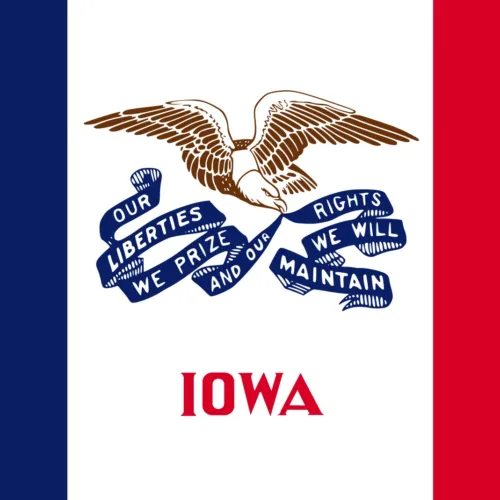
In Idaho, voters will decide House Joint Resolution 4, a proposed constitutional amendment that would reserve authority to legalize marijuana and certain other psychoactive substances for the state Legislature. Approval would prevent citizens from using initiated statutes to enact marijuana legalization, while rejection would preserve the existing initiative process.
The vote comes after separate campaigns to legalize medical marijuana and decriminalize possession failed to qualify for the November ballot.
Unlike several previous election cycles, no statewide measure establishing a new recreational or comprehensive medical marijuana market qualified for this year’s ballot.
Local Marijuana Measures
Houston voters will decide Proposition A, also known as the Houston Freedom Act, which would make enforcement of misdemeanor marijuana possession the Houston Police Department’s lowest law-enforcement priority.
The measure would also prohibit no-knock search warrants and establish reporting requirements related to marijuana enforcement. It would not legalize possession under Texas law.
The Marijuana Herald previously examined the proposal and its requirements.
Other local measures involve the operation and taxation of marijuana businesses.
In Michigan, voters in Bad Axe will decide whether to allow up to two marijuana establishments, while Menominee voters will consider increasing the city’s limit on marijuana retailers from nine to 13.
Oregon voters in Estacada will consider restricting new marijuana production, processing and wholesale businesses, while Warrenton will vote on a local marijuana sales tax.
California voters in Arroyo Grande, Guadalupe and Baldwin Park will also consider marijuana business tax measures.
Each of these proposals, along with the statewide initiatives, is examined in The Marijuana Herald’s comprehensive election breakdown published October 1.
Governor’s Races Could Influence Marijuana Laws Beginning in 2027
Several governor’s races feature candidates with substantially different positions on marijuana legalization and regulation.
In Pennsylvania, Governor Josh Shapiro (D) supports recreational legalization and has repeatedly included it in state budget proposals. His Republican opponent, State Treasurer Stacy Garrity, opposes recreational legalization and has said she would veto such legislation.
Wisconsin’s open governor’s race features Milwaukee County Executive David Crowley (D), who supports recreational legalization, and U.S. Representative Tom Tiffany (R), who supports a regulated medical marijuana program but opposes recreational legalization.
Kansas presents another policy difference. State Senator Cindy Holscher (D) supports legalization, while State Senate President Ty Masterson (R) has opposed legalization proposals. Kansas currently has neither comprehensive medical marijuana access nor legal recreational sales.
In New Hampshire, Governor Kelly Ayotte (R) opposes recreational legalization, while Democratic nominee Cinde Warmington supports legalizing, regulating and taxing marijuana.
Florida’s gubernatorial candidates also have differing approaches. U.S. Representative Byron Donalds (R) opposes recreational legalization, while former U.S. Representative David Jolly (D) has said he would pursue legislation establishing legalization despite having personally voted against the state’s 2024 legalization amendment.
Governor’s races in Tennessee, Oklahoma and Texas could also influence the expansion of medical marijuana programs, regulations affecting existing businesses and policies governing hemp-derived THC.
A more extensive examination of these candidates and their records is available in The Marijuana Herald’s 2026 election guide to ballot measures and governor’s races.
All 435 U.S. House Races: Where the Candidates Stand
Every seat in the U.S. House of Representatives is up for election on November 3, and the results will help determine the direction of federal marijuana legislation during the next Congress.
The Marijuana Herald conducted an extensive review of candidates in all 435 House districts, examining their positions on federal legalization, medical marijuana, rescheduling, banking protections and related policies.
The reporting incorporates congressional voting records, public statements, campaign platforms and direct responses from candidates. Dozens of campaigns have responded to The Marijuana Herald’s outreach, providing additional information about their positions.
The findings show a range of approaches, including candidates who support complete federal legalization, others who support narrower changes such as medical access or banking reform, and candidates who oppose removing marijuana from federal prohibition.
Some candidates have not established clear public positions on the major federal marijuana proposals. Those instances are identified in the guide rather than assigning positions based solely on party affiliation.
The full state-by-state and district-by-district examination is available here:
Election 2026: Where Candidates in All 435 U.S. House Races Stand on Marijuana Law Reform
All 35 U.S. Senate Races: Marijuana Policy Positions and Voting Records
Voters will also decide 35 U.S. Senate seats, including 33 regularly scheduled elections and special elections in Florida and Ohio.
The composition of the Senate will be important for proposals involving marijuana banking, federal descheduling, criminal justice reform, research and protections for state-legal marijuana businesses.
The Marijuana Herald reviewed candidates in all 35 contests, documenting their public positions and legislative records.
The examination includes candidates who support removing marijuana entirely from the Controlled Substances Act, those who favor rescheduling or state-level authority, and those who oppose significant changes to federal marijuana restrictions.
Among the legislation examined are the SAFER Banking Act, proposals to remove marijuana from the Controlled Substances Act, and measures addressing medical marijuana research and access for veterans.
As with the House examination, the Senate guide distinguishes between documented positions, past voting records and cases where candidates have not articulated a clear stance.
The complete breakdown is available here:
Where Candidates in All 35 U.S. Senate Races Stand on Marijuana Law Reform



Related posts:

Texas Senator Says Political Barriers to Marijuana Legalization Are Fading, Designed 2027 Bill to At...
Tennessee Senator Confirms Marijuana Legalization Bill Will Return in 2027 in House and Senate, Says...