420 Peer-Reviewed Cannabis Studies, All Published in 2025

Study: CBD Nanoemulsion Shows Antitumor Potential in Canine Mammary Cancer Cells

A nanoemulsified CBD formulation significantly inhibited proliferation and induced apoptosis in canine mammary cancer cell lines, highlighting the promise of advanced delivery systems in veterinary oncology and comparative research.


Study: Finds CBD Enhances Effectiveness of FGFR Inhibitors in Colorectal Cancer Treatment

Preclinical models showed that adding CBD to FGFR-inhibitor therapy boosted antitumor activity in colorectal cancer, suggesting a synergistic effect and a possible avenue for adjunctive cancer treatment.


Study: Cannabis — Both High-CBD and High-THC — May Improve Metabolic Health in Obesity

In people with obesity, both high-CBD and high-THC cannabis products were associated with improved metabolic markers — including better glucose regulation and reduced waist circumference — suggesting potential adjunct therapies for metabolic health.


Study: Medical Cannabis Legalization Across 20 Countries Tied to Sustained Growth in Sales, Substitution With Tobacco

An international analysis found that in 20 countries where medical cannabis was legalized, cannabis-related product sales grew steadily over several years and consumption patterns shifted, with evidence of substitution away from tobacco use.


Study: Medicinal Cannabis Could Help Reduce Opioid Deaths and Address Global Health Inequities

A review found that medicinal cannabis may lower opioid-related deaths and improve health equity worldwide. Researchers argue expanding access could address disparities in pain management and provide safer alternatives to opioids.


Study: Cannabis-Derived Packaging Preserves Grapes Longer

Scientists developed cannabis-derived biodegradable packaging that significantly extended grape shelf life by reducing microbial growth and oxidation. The study points to sustainable applications of hemp-based materials in food preservation.

Study: Cannabis Use Not Independently Linked to Head and Neck Cancer, Unlike Alcohol and Cigarettes

A population-based analysis found no independent association between cannabis use and head or neck cancers, while alcohol and cigarette use remained strong risk factors. The results suggest cannabis does not carry the same cancer burden as these substances.


Study: Medicinal Cannabis Could Help Reduce Opioid Deaths and Address Global Health Inequities

Researchers concluded that medicinal cannabis may play a role in reducing opioid-related deaths and alleviating health inequities worldwide. The review emphasized cannabis’ therapeutic promise while calling for broader access and global policy reform.

Study: Higher Education Levels Linked to Increased Marijuana Use, Opposite of Cigarette Trends

Analysis showed that people with higher education levels are more likely to use marijuana, while cigarette use decreases with education. The findings highlight diverging social trends between marijuana and tobacco consumption.


Study: Encapsulated Cannabis Extracts Show Potent Antimicrobial Effects in Dermatology

Researchers demonstrated that encapsulated cannabis extracts had strong antimicrobial effects against bacteria and fungi in dermatological applications, suggesting potential use in treating skin infections and related conditions.


Study: CBD Reduces Seizures in 68% of Patients With Genetic Variants Influencing Response

A clinical study found that CBD treatment reduced seizures in 68% of patients with specific genetic variants affecting drug response. Results highlight the importance of personalized medicine in epilepsy care.


Study: Medical Cannabis Improves Quality of Life for Cancer Patients

Cancer patients using medical cannabis reported significant improvements in quality of life, including reduced pain, better sleep, and less anxiety. The study supports cannabis as a supportive care option in oncology.

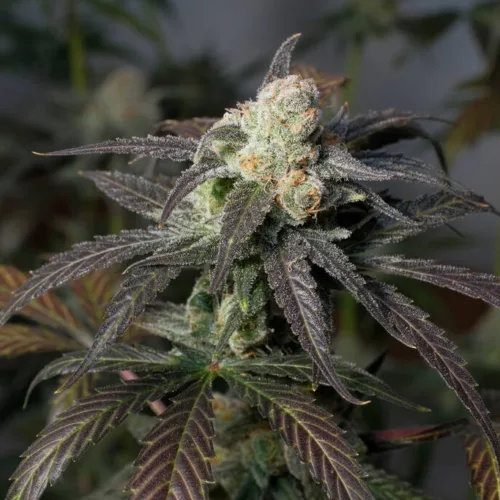
Marijuana Trichomes Study

Researchers analyzed trichomes on cannabis plants and found that their density, size, and chemical makeup vary significantly by strain, cultivation method, and growth stage. The findings provide new insight into optimizing cannabinoid and terpene production.


Cannabis Linked to Pain Relief and Better Quality of Life in Complex Regional Pain Syndrome Patients

A study on patients with complex regional pain syndrome reported that medical cannabis use reduced pain levels and improved quality of life. Results suggest cannabis could serve as a valuable adjunct therapy for this challenging condition.


Study: THC Supplementation Improves Inflammation and Metabolic Health in HIV Model

In a preclinical HIV model, THC supplementation was found to lower inflammation and enhance metabolic health. The study highlights the potential of THC in managing chronic inflammation associated with HIV.


Study: No Evidence of Residual Cannabis Effects on Driving After 48 Hours of Abstinence

A controlled study found no impairment in driving-related performance 48 hours after cannabis use, reinforcing that residual THC in the body does not equate to functional impairment once sufficient time has passed.

Cannabinoids and Sleep: CBD’s Role in Restorative Rest

A review of recent studies found that CBD shows promise in improving sleep quality by reducing anxiety, easing pain, and helping regulate sleep cycles. Evidence suggests cannabinoids may support better restorative rest, though more trials are needed.


Combination of CBD and SNP a Promising Therapeutic Strategy for Combatting Schizophrenia Symptoms

Preclinical research suggests that combining CBD with the nitric oxide donor SNP could provide synergistic benefits for managing schizophrenia symptoms, potentially offering a new therapeutic pathway worth further exploration.


Cannabinoids Provide Pain and Itch Relief and Improve Overall Well-Being for Patients With Rare Skin Disorder, Study Finds

A clinical study on patients with epidermolysis bullosa found that cannabinoid-based treatments reduced chronic pain and itching while also improving overall quality of life, highlighting cannabinoids’ therapeutic potential for rare skin conditions.